The Science Behind Propane & Butane: How They Differ & When To Use Each
Propane and butane are two of the most commonly used bottled gases in the UK, powering everything from BBQs and patio heaters to caravans, catering equipment and industrial appliances. Both are classed as liquefied petroleum gas (LPG) and share similar origins, storage methods and combustion characteristics.
Despite these similarities, propane and butane behave differently as temperatures and pressure conditions change. These scientific differences affect performance, safety and suitability for particular appliances. As an experienced propane and butane gas supplier, Adams Gas helps customers choose the right fuel by combining technical knowledge with practical advice.
This guide explains the science behind propane and butane, how they differ, and when each gas is best used.
What propane and butane are
Propane (C₃H₈) and butane (C₄H₁₀) are hydrocarbons produced during natural gas processing and crude oil refining. In their natural state, both gases are colourless and odourless, so an odourant is added for safety to help users detect leaks.
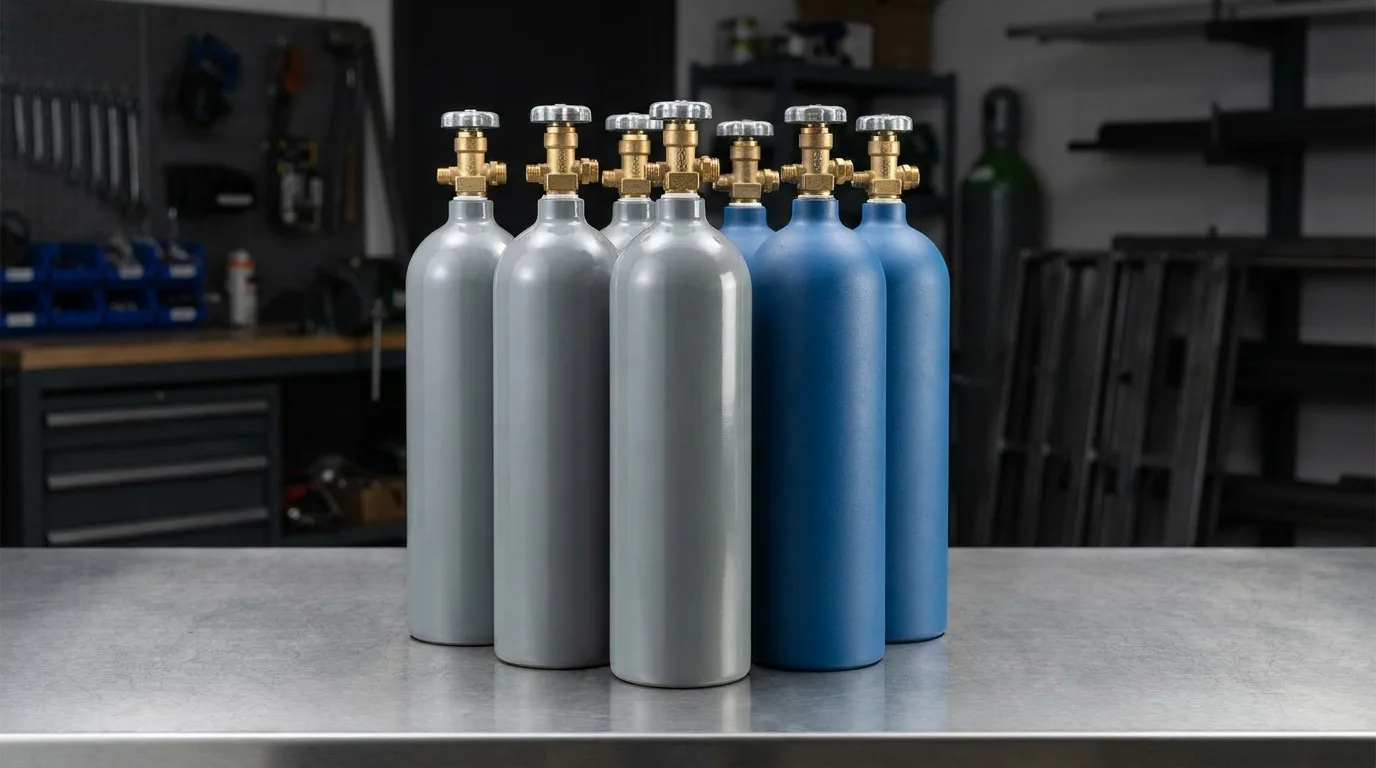
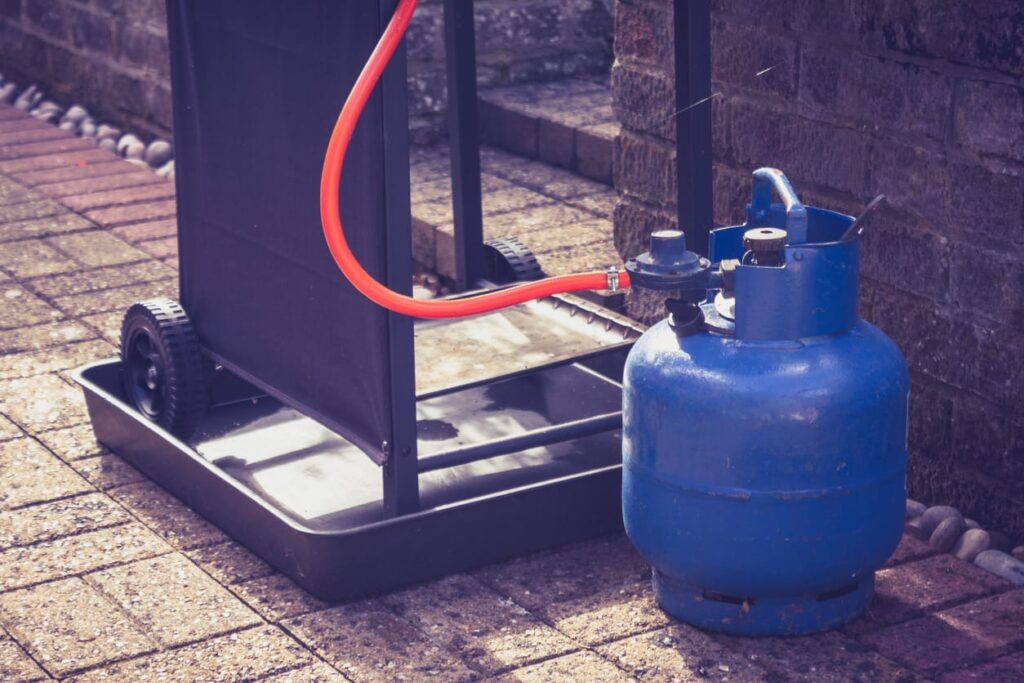
Under moderate pressure, both propane and butane can be stored as liquids inside cylinders. This allows a large amount of energy to be stored in a compact, portable form, making both gases efficient fuels for domestic and commercial use.
Although their chemical structures are similar, differences in boiling point and vapour pressure explain why propane and butane cylinders are better suited to different environments and appliances.
Why propane performs better in cold weather
The key scientific difference between propane and butane is boiling point, which affects how easily the liquid turns into vapour.
Propane’s low boiling point
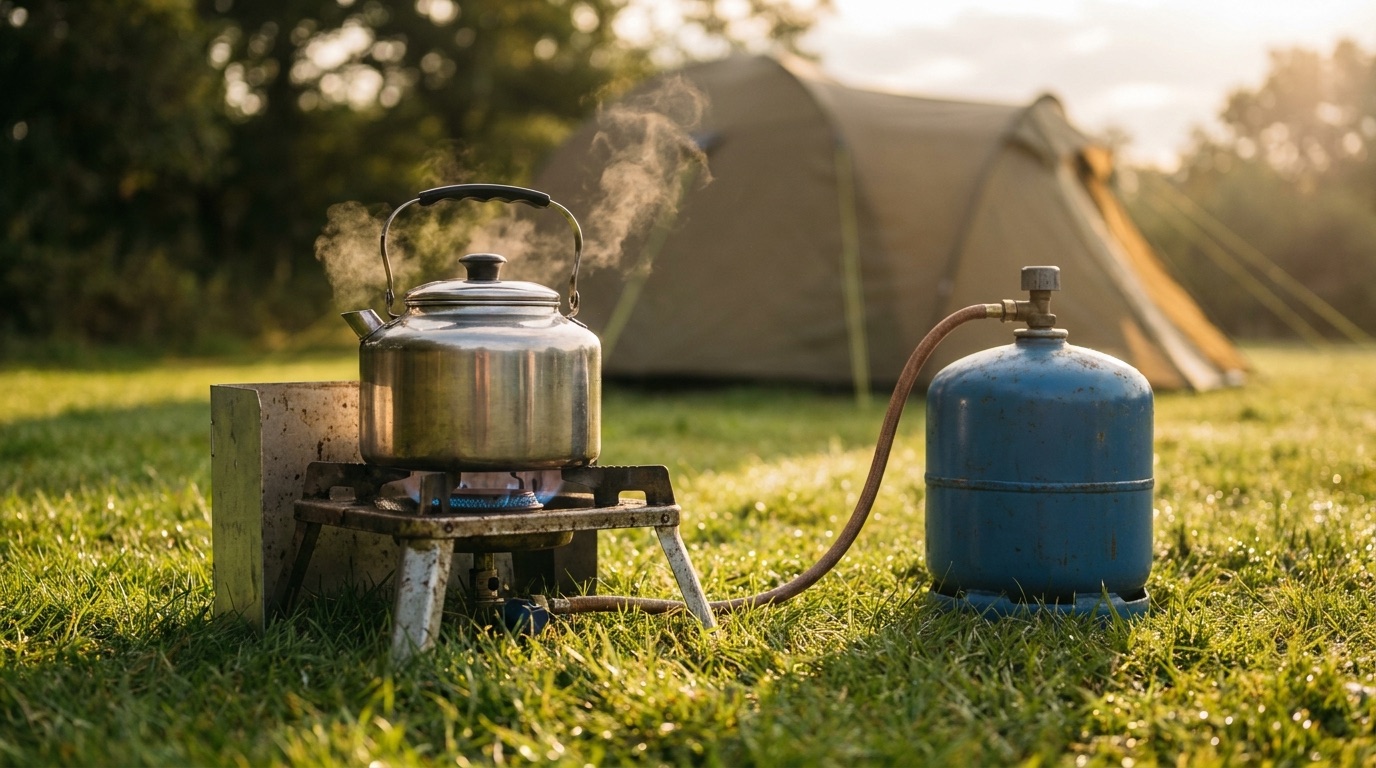
Propane has a boiling point of –42°C, which means it continues to vaporise and provide usable gas even in very cold conditions. This makes propane a reliable choice for outdoor and year-round use.
Propane is commonly used for:
-
BBQs and patio gas bottles
-
patio heaters and outdoor heating
-
caravans and motorhomes
-
commercial catering equipment
-
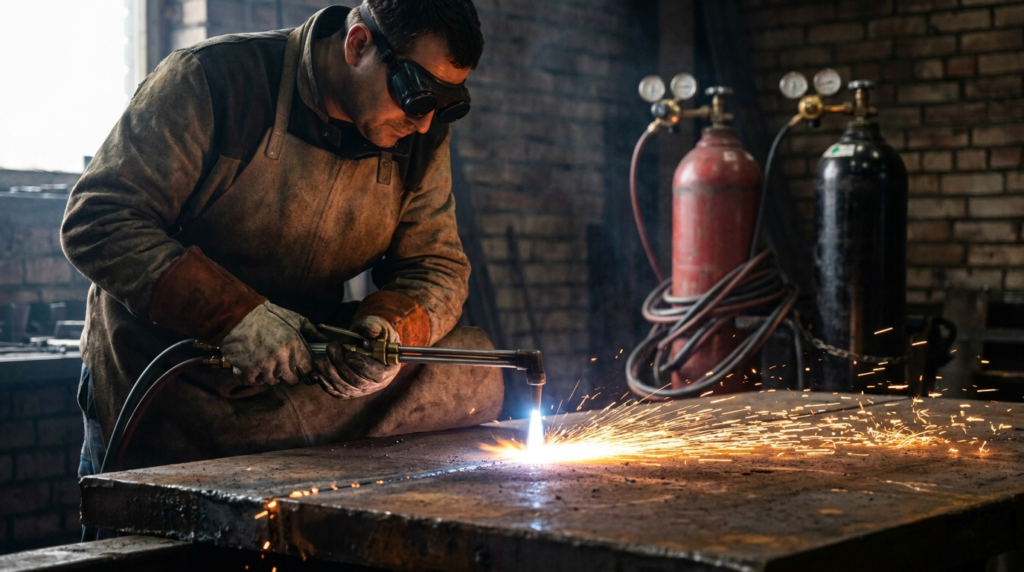
industrial and agricultural applications
Even in winter, propane typically maintains steadier pressure and more dependable ignition. If you store cylinders outdoors or need gas throughout the year, propane is usually the recommended option.
Adams Gas supplies a wide range of propane cylinders designed for outdoor use and lower-temperature environments.
Why butane suits indoor or warmer conditions
Butane behaves differently because its boiling point is higher, at around –2°C. Above this temperature, butane vaporises well and provides a steady, controllable gas flow. Below this point, performance can drop noticeably.
Where butane excels
In suitable conditions, butane offers:
-
strong fuel efficiency
-
clean, steady combustion
-
compact, lightweight cylinders
Butane is commonly used for:
-
portable indoor heaters (approved appliances only)
-
indoor cookers
-
camping stoves in warmer months
-
small catering and portable equipment
Because it generally delivers a smoother, lower-pressure output, butane can be well suited to indoor-approved appliances where consistent flame control matters.
Adams Gas supplies butane cylinders in a range of sizes for customers who need an efficient fuel source for indoor or warm-weather use.
Vapour pressure differences and why they matter
Vapour pressure affects how strongly gas leaves the cylinder and feeds into an appliance.
Propane vs butane vapour pressure
-
Propane has higher vapour pressure, giving a stronger and more consistent gas flow.
-
Butane has lower vapour pressure, producing a steadier, more controlled flame.
Higher vapour pressure makes propane suitable for:
-
higher-demand appliances
-
larger burners
-
outdoor heating and cooking equipment
Lower vapour pressure makes butane ideal for:
-
smaller appliances
-
indoor heating and cooking
-
situations where controlled flame output is preferred
These differences also explain why each gas requires the correct regulator and fittings. Adams Gas helps ensure supplied cylinders and regulators are compatible and compliant with UK safety standards.
When to choose propane or butane
Choosing between propane and butane depends on your environment, expected temperatures and the appliance you are using.
Choose propane if you need
-
reliable performance in cold weather
-
outdoor gas use all year
-
fuel for BBQs, patio heaters or caravans
-
strong heat output for larger appliances
Choose butane if you need
-
indoor-approved gas use
-
portable, lightweight fuel
-
efficient performance in warmer conditions
-
controlled flame for smaller appliances
Patio gas bottles (a common propane option supplied with compatible regulators) are widely used for BBQs and outdoor heaters. Smaller butane cylinders are often chosen for indoor or portable applications.
Adams Gas provides expert guidance to help customers select the right gas for their appliance and conditions.
Efficiency and heat output
Both propane and butane are efficient fuels, but each suits different demands.
-
Propane typically delivers higher heat output and quicker ignition, making it ideal for outdoor and high-demand use.
-
Butane supports clean combustion and steady flame control, which can suit indoor and precision applications.
Used correctly, both gases burn cleanly with low emissions, which is why they remain popular as portable and flexible energy sources.
Safety considerations for propane and butane
Propane and butane are safe when used correctly, but their different pressure characteristics mean they must be handled and fitted properly.
Key safety guidance
Always:
-
store cylinders upright in a well-ventilated area
-
keep bottles away from heat sources and direct sunlight
-
use the correct regulator for the gas type
-
check hoses and fittings regularly
Propane cylinders operate at higher pressure and must not be used with butane regulators, and vice versa.
Adams Gas ensures cylinders are inspected and tested, and provides clear safety guidance on installation and use.
Why understanding the science helps
Knowing the scientific differences between propane and butane helps customers to:
-
improve appliance performance
-
increase efficiency
-
enhance safety
-
extend appliance lifespan
Using the wrong gas can lead to poor performance, wasted fuel or increased risk. Understanding how temperature, pressure and combustion differ helps you make confident, informed choices.
As a trusted propane and butane gas supplier, Adams Gas supports customers across the UK with expert advice, reliable supply and a wide selection of bottled gas options.
Choosing between propane and butane with confidence
Propane and butane share similar origins and properties, but their differences have a big impact on where each should be used. Propane’s lower boiling point and higher vapour pressure make it a strong choice for outdoor and cold-weather use, while butane is well suited to indoor or warmer conditions where steady, controlled output is preferred.
Adams Gas supplies a complete range of propane and butane cylinders, offering safe, reliable and cost-effective solutions for domestic, commercial and industrial customers. With expert guidance and a dependable UK-wide supply network, Adams Gas helps ensure every customer receives the right gas for the job.
Visit the Adams Gas website for more information on The Science Behind Propane & Butane: How They Differ & When To Use Each
ENQUIRY FORM
More News