Using Gas Cylinders Safely in Hotels
Gas cylinders play a vital role in hotel operations—from fuelling kitchens to supplying beer cellar gas for bars and providing helium for events. However, improper handling and storage can pose serious safety risks.
For hotel teams, restaurant owners, bar managers, and kitchen staff, understanding best practice for gas cylinder safety is essential to ensure smooth operations and protect both guests and employees.
How are gas cylinders used in hotels?
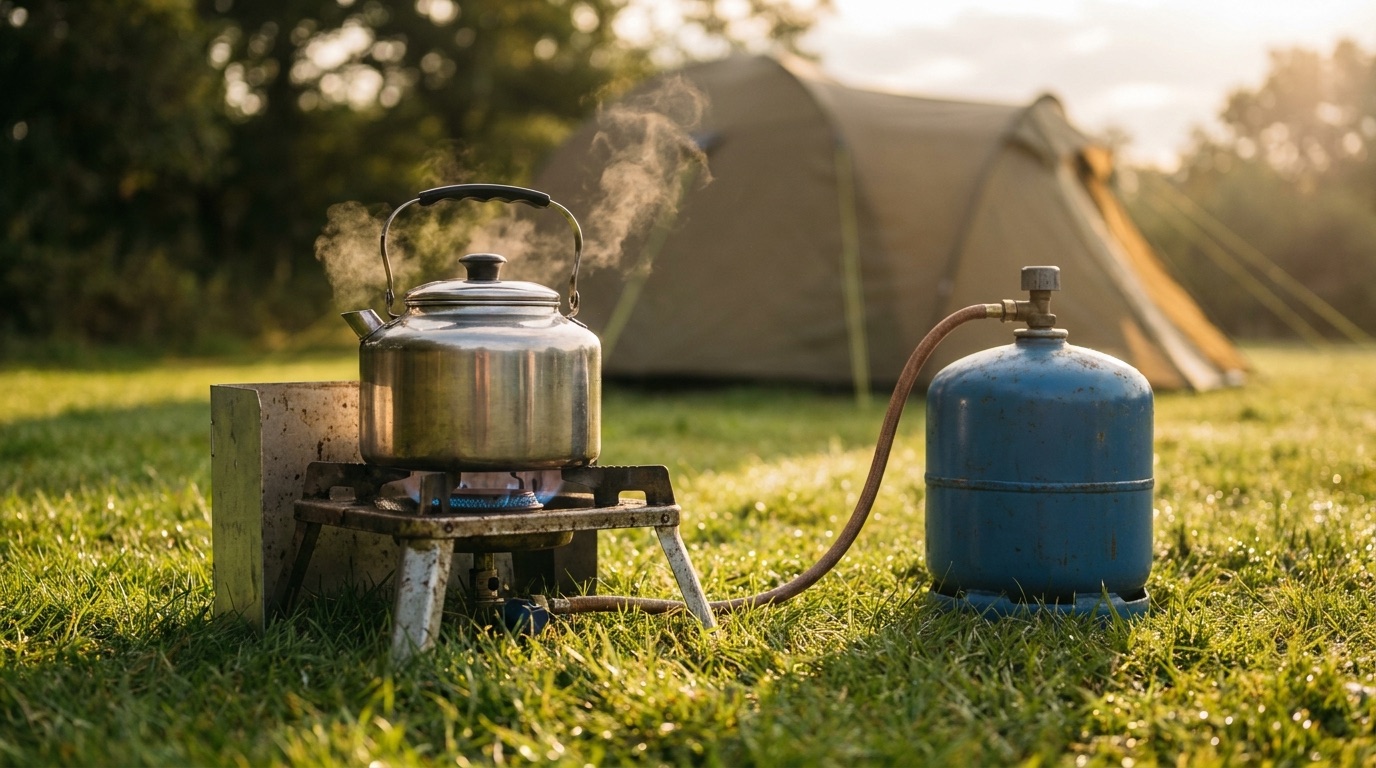
Gas cylinders are used throughout hotels, especially in high-demand areas such as kitchens. They power equipment like stoves, ovens, and grills, providing controllable, consistent heat. If there’s an outdoor cooking space, al fresco dining area, or a barbecue event, cylinders may be used there too.
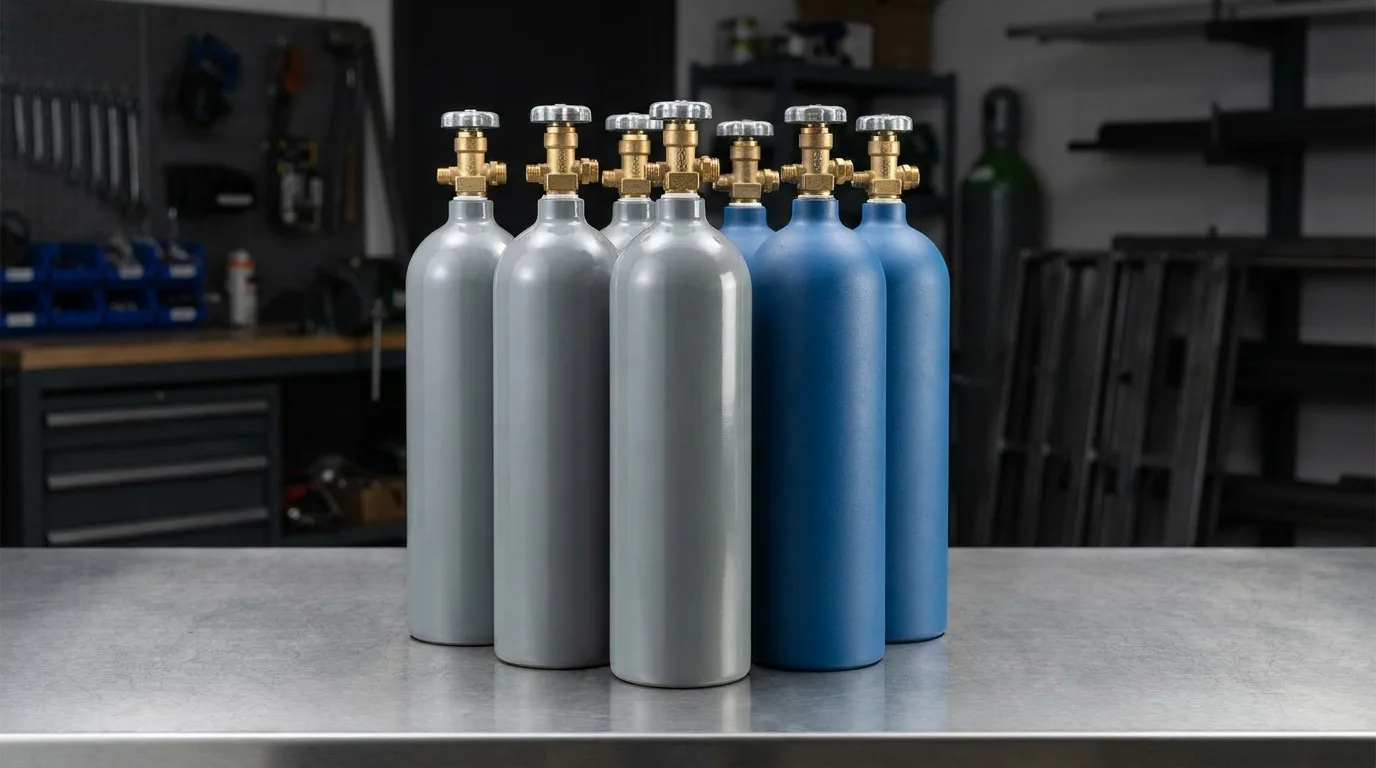
In bars and cellars, cylinders containing carbon dioxide or nitrogen are used to carbonate and dispense beer, cider, and soft drinks. This ensures beverages are served fresh with the right level of fizz. Helium is also commonly stored on-site for inflating balloons at weddings, parties, and other events.
Some hotels use cylinders as a backup or primary fuel source for heating, lighting, or hot water—particularly where piped gas is unavailable—helping maintain guest comfort in colder climates.
Why gas safety matters
Given their widespread use, correct handling and storage are essential to prevent accidents and to comply with safety regulations. Regular maintenance and comprehensive staff training are key to creating a safe environment for employees and guests alike.
Safe gas cylinder storage in kitchens
Hotel kitchens are high-risk environments. Proper placement and ventilation of cylinders are critical to reducing hazards. Never store LPG cylinders near open flames or heat sources. For example, keeping a cylinder above a gas stove can expose it to heat, increasing internal pressure and the risk of explosion. Always store LPG in a cool, well-ventilated area.
If a cylinder must be located on a different floor from the appliance it serves, plan carefully and carry out a risk assessment. House the cylinder in a ventilated enclosure, ensure pipework to the appliance is regularly leak-tested, and comply with local safety regulations.
Best practice for beer cellar gas
Where beer cellar gases (CO₂ or mixed gases) are used, store cylinders securely in a cool, dry, well-ventilated space. Follow these tips:
• Inspect connections and hoses regularly to prevent leaks.
• Use secure brackets or chains to stop cylinders from tipping.
• Train staff to shut off supplies quickly in an emergency.
Using helium for hotel events
Helium is popular for event décor, but it must be handled with the same care as other gases:
• Store cylinders upright in a well-ventilated area, away from heat and high-traffic routes.
• Use the correct regulators for inflating balloons; never modify or repair a cylinder yourself.
• Avoid confined storage spaces—helium can displace oxygen and create risks if it leaks.
General gas safety tips for hotels
Whether managing LPG for kitchens, cellar gases for bars, or helium for events, inspect all cylinders, connections, and pipework routinely. Flag damaged components and arrange specialist repairs. Ongoing staff training is essential.
Be prepared for emergencies. Train teams to recognise signs of a leak—such as hissing or unusual smells—and ensure they know how to respond.
Label cylinders clearly and store them according to their specific requirements. Prioritise good ventilation wherever gases are stored or used to prevent dangerous build-ups.
Choose a reliable supplier
Source your gas from a reputable, professional supplier. At Adams Gas, we’re your local partner for worldwide gas supplies. We provide a wide range of high-quality products tailored to hotel operations—from Calor gas to beer cellar gas, helium canisters, and liquefied petroleum gas. With a commitment to safety and reliability, we help keep your hotel running smoothly and securely. Find out more about our range of bottled gases for your business.
Visit the Adams Gas website for more information on Using Gas Cylinders Safely in Hotels
ENQUIRY FORM
More News