How Beer Gas Dispense Systems Work (CO₂ vs Mixed Gas vs Nitrogen)
Beer dispense systems depend on the right gas supply to deliver drinks at the correct pressure, carbonation level and consistency. Whether you are running a busy pub, restaurant or bar, or setting up a home cellar system, choosing between CO₂, nitrogen or mixed beer gas has a direct effect on taste, presentation and the overall drinking experience.
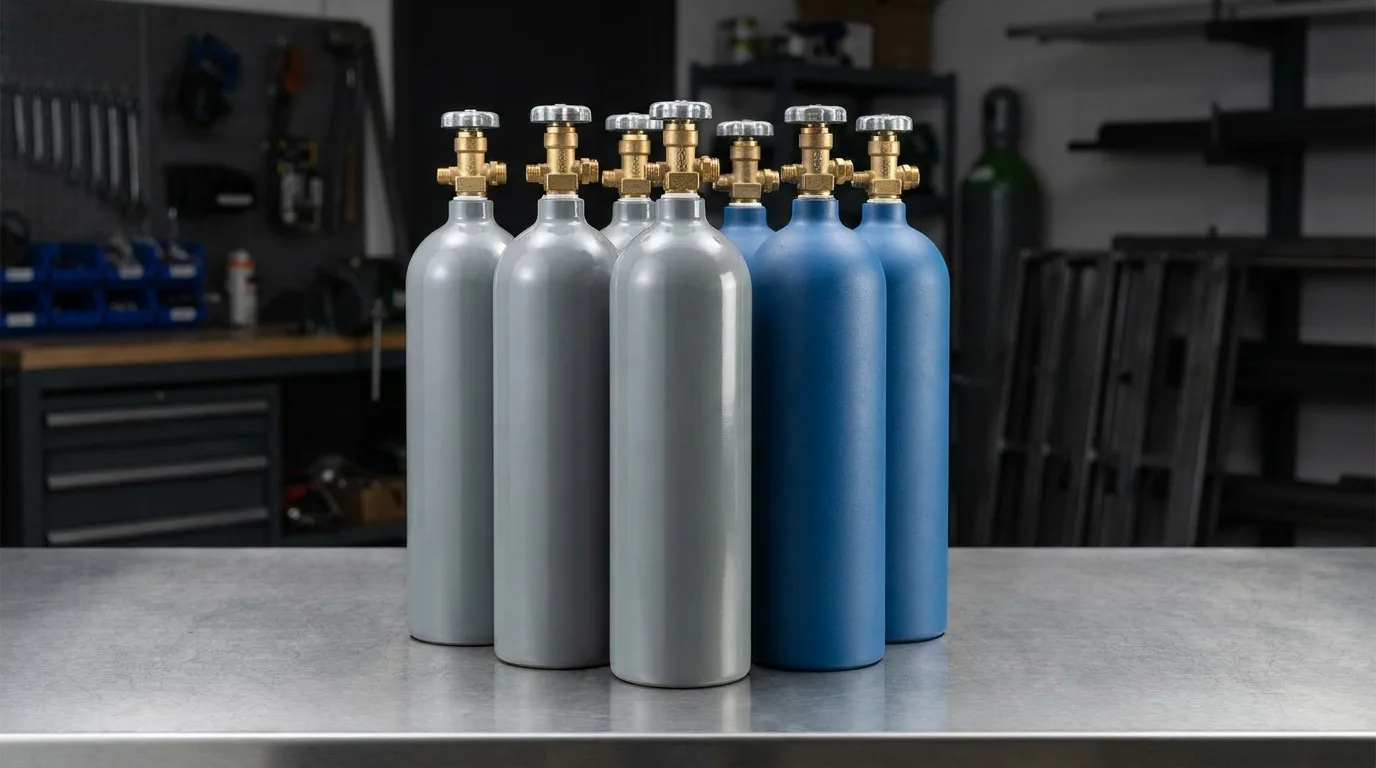
As an experienced supplier of CO₂ cylinders and nitrogen bottles, Adams Gas supports the UK hospitality industry with rent-free, reliable and cost-effective beer gas solutions. This guide explains how dispense gases work, why different drinks require different gases, and how to manage supply safely and efficiently.
The role of gas in beer dispense systems
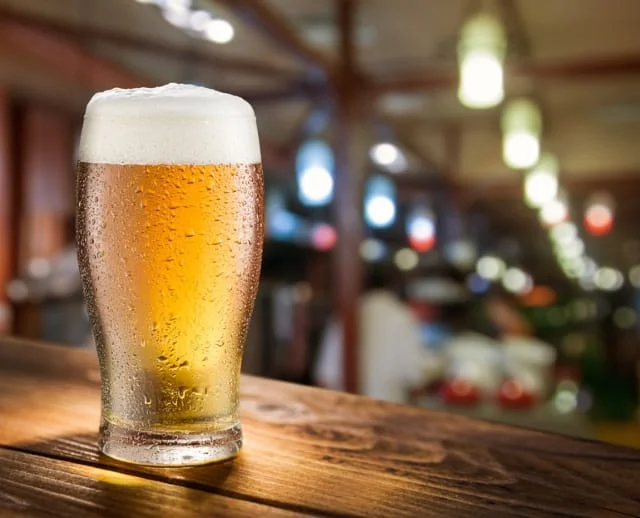
Gas is essential in beer dispensing for two reasons: it maintains pressure in the keg and it pushes beer from the keg through the dispense line to the tap. Without the correct gas and pressure, drink quality can quickly suffer, leading to excessive foam, flat pours or inconsistent service.
A well-managed gas supply helps to:
-
maintain correct carbonation
-
prevent oxygen ingress
-
protect flavour and freshness
-
ensure consistent pour quality
Adams Gas supplies CO₂, nitrogen and mixed beer gases in a range of cylinder sizes, helping venues maintain professional dispense performance across different beer styles.
Using CO₂ for beer dispense
CO₂ is the most widely used gas in beer dispense systems and remains the standard choice for many popular drinks. It dissolves readily into liquid, which makes it ideal for beverages that rely on carbonation.
Drinks best suited to CO₂
CO₂ is commonly used for:
-
lagers
-
ciders
-
carbonated beers
-
soft drinks and post-mix systems
Using CO₂ helps maintain crispness, effervescence and flavour stability. Because CO₂ dissolves easily, pressure must be set correctly to avoid over-carbonation.
Adams Gas supplies CO₂ cylinders in rent-free formats, helping pubs and bars manage costs while maintaining uninterrupted supply.
When mixed beer gas is the right choice
Mixed beer gas is a blend of CO₂ and nitrogen, designed to balance carbonation with smoother dispense characteristics. A common blend is 60% CO₂ and 40% nitrogen, although other ratios are used depending on the system and the drink.
Benefits of mixed gas dispense
Mixed gas can:
-
reduce excessive carbonation
-
produce a smoother texture
-
support stable foam formation
-
improve mouthfeel and appearance
Mixed beer gas is often used for:
-
ales and bitters
-
stouts and darker beers
-
cream-flow products
Adams Gas supplies a range of mixed beer gases to suit different keg types, line lengths and dispense pressures commonly found in hospitality venues.
Understanding nitrogen in beer dispense
Nitrogen behaves very differently from CO₂. It is inert and does not dissolve readily into liquid, which means it can provide pressure without increasing carbonation.
Why nitrogen is used
Nitrogen is particularly important for:
-
stouts and porters
-
nitrogenated ales
-
beers that require a creamy texture
Nitrogen produces smaller bubbles, creating a dense, smooth head and the well-known cascading effect. It also allows higher dispense pressures without over-carbonating the drink, making it well suited to:
-
longer beer lines
-
multi-floor dispense systems
-
high-volume service environments
Adams Gas supplies nitrogen bottles suitable for beer dispense systems across pubs, bars and restaurants.
How a beer gas dispense system works
A typical beer dispense system includes:
-
gas cylinder
-
regulator
-
keg connector
-
beer line
-
tap
Gas pressure from the cylinder passes through the regulator and into the keg, replacing the volume of beer that is dispensed. This pressure forces the beer through the line and out of the tap.
Correct pressure is essential:
-
too much pressure causes excessive foam
-
too little pressure results in slow pours and flatter beer
The gas you use influences carbonation retention, foam stability and presentation. Adams Gas can advise on suitable pressure settings to match beer style and system configuration.
Managing CO₂ and nitrogen supply
Reliable gas supply is essential for uninterrupted service, particularly in busy or high-volume venues.
Best practice for gas management
Venues should:
-
check gas levels regularly
-
keep spare cylinders available
-
store cylinders correctly
-
train staff to adjust regulators safely
Adams Gas offers rent-free CO₂ and nitrogen cylinders, allowing customers to avoid long-term rental agreements and pay only for refills. This can be particularly useful for:
-
smaller pubs and bars
-
seasonal venues
-
mobile bars and event set-ups
For larger venues, Adams Gas supports dependable delivery and stockist access to help minimise downtime.
Safety considerations for beer gas cylinders
Although CO₂ and nitrogen are non-flammable, safe handling and storage are still essential.
Safe storage and handling
Beer gas cylinders should always be:
-
stored upright
-
kept in well-ventilated areas
-
secured during transport
-
positioned away from heat sources
Regulators and connections should be checked routinely, and staff should be trained to connect and disconnect cylinders correctly.
Safety note: CO₂ is heavier than air and can displace oxygen in enclosed spaces. Good ventilation is essential in cellars and storage areas. All cylinders supplied by Adams Gas are tested to strict safety standards, helping venues operate with confidence.
Choosing the right beer gas with Adams Gas
Beer dispense systems rely on the correct gas supply to deliver consistent quality, flavour and presentation. CO₂ is ideal for lagers and ciders, nitrogen supports the creamy texture required for stouts, and mixed gas provides a balanced solution for a wide range of beers.
Adams Gas supplies CO₂ cylinders, nitrogen bottles and mixed beer gas in rent-free formats, supporting UK hospitality venues with safe, reliable and cost-effective options. With expert guidance, flexible refills and dependable service, Adams Gas remains a trusted partner for beer dispense systems of all sizes.
Visit the Adams Gas website for more information on How Beer Gas Dispense Systems Work (CO₂ vs Mixed Gas vs Nitrogen)
ENQUIRY FORM
More News