What Size Caravan Gas Cylinders Do You Need?
To keep your caravan fully equipped, it’s important to make informed choices about what to pack—especially when it comes to gas. Selecting the right gas bottle is one of the most important decisions. This guide looks at the types of gas available and the sizes most commonly used for caravanning.
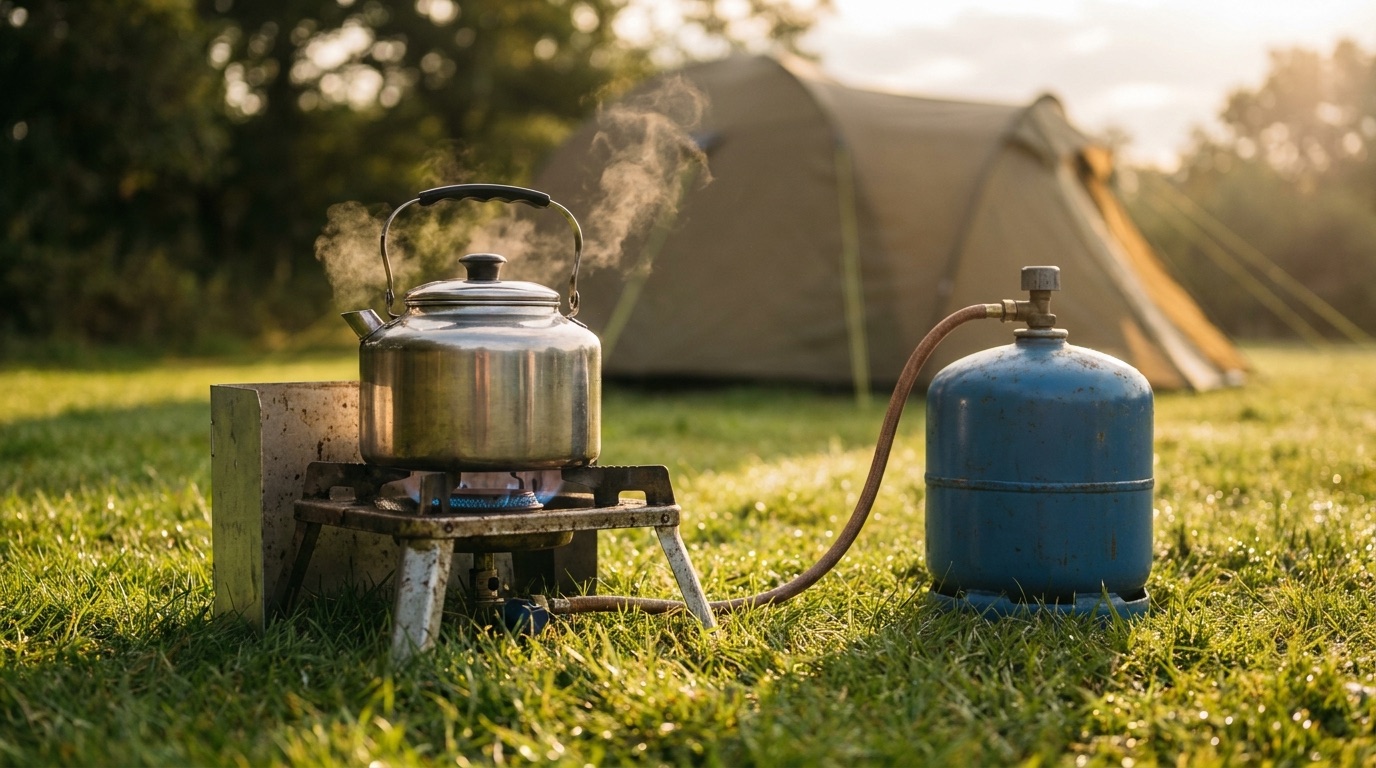
If you travel with a caravan regularly, you’ll likely be familiar with liquefied petroleum gas (LPG). It makes life on the road more comfortable by providing fuel for cooking, heating, and refrigeration. LPG is supplied in pressurised cylinders; a pressure-reducing regulator ensures the gas reaches your appliances at the correct pressure.
Choosing the right gas bottle for your caravan
Start by asking what you’ll use the gas for—heating, cooking, or both. The most common caravan cylinder sizes range from 6 kg to 47 kg. A 6 kg bottle is the most practical for touring, and most caravans have space for at least one. Some travellers carry more than one for longer trips, but remember the extra weight soon adds up. If you own a static caravan with higher demand, larger cylinders such as 47 kg propane are often more suitable.
Your choice will depend on your caravan type and usage patterns. For touring caravans, many find that a 6 kg propane bottle is sufficient for short breaks, or a 7 kg butane bottle if you’re travelling in warmer weather. With moderate use—cooking and occasional heating—a 6 kg cylinder typically lasts around one to two weeks, offering a good balance of capacity and portability. Static caravans usually benefit from larger cylinders, such as 19 kg or 47 kg propane, which reduce the frequency of replacements and ensure a consistent supply. If you have the space and payload, a larger cylinder can also be used in a touring caravan for longer trips or heavier appliance use.
Gas safety on board
Gas safety is essential for you and your family. Cylinders must be handled with care to avoid accidents.
Store LPG cylinders upright in a well-ventilated area, away from heat and other flammable materials, to minimise risk.
Check for leaks before use, as leaks increase the risk of fire and explosion. At Adams Gas, trained inspectors thoroughly examine all cylinders to ensure they meet UK and European-compliant standards before supply.
Protect against carbon monoxide (CO) risks. CO is colourless and odourless, so a space can fill quickly without warning. Fit a carbon monoxide detector and test it regularly.
Estimating usage and avoiding running out of gas
Monitor levels with a gauge, level indicator, or by weighing the cylinder. Plan your consumption based on trip length, your typical usage, and the appliances you’ll run. Remember that gas consumption increases in colder weather.
Carry a spare cylinder where possible. It’s better to have a backup than be caught short, especially if refills are hard to find. Plan your route and note any gas refill locations along the way. To conserve fuel, turn off gas appliances when not in use and before travelling.
Running out of gas mid-trip is frustrating and can disrupt your plans—especially if refills aren’t readily available.
Final thoughts
Choosing the right type and size of gas cylinder—and maintaining safe practices—will help ensure a smooth, enjoyable caravan trip. Knowing the duration of your journey, the gas you prefer (propane or butane), and the cylinder size that fits your needs will minimise interruptions to your power supply and keep your adventures on track.
Visit the Adams Gas website for more information on What Size Caravan Gas Cylinders Do You Need?
ENQUIRY FORM
More News