MIG vs TIG Welding Gas: Complete Guide for Hobbyists & Professionals
Choosing the right welding gas is one of the most important factors in producing strong, clean and reliable welds. Whether you are a hobbyist working in a home garage or a professional fabricator carrying out structural or precision work, understanding the differences between MIG and TIG shielding gases helps you optimise weld quality, efficiency and consistency.
Both MIG and TIG welding use shielding gas to protect the molten weld pool from atmospheric contamination. However, the type and composition of gas differ between the two processes, affecting arc stability, penetration, spatter levels and the finished appearance of the weld.
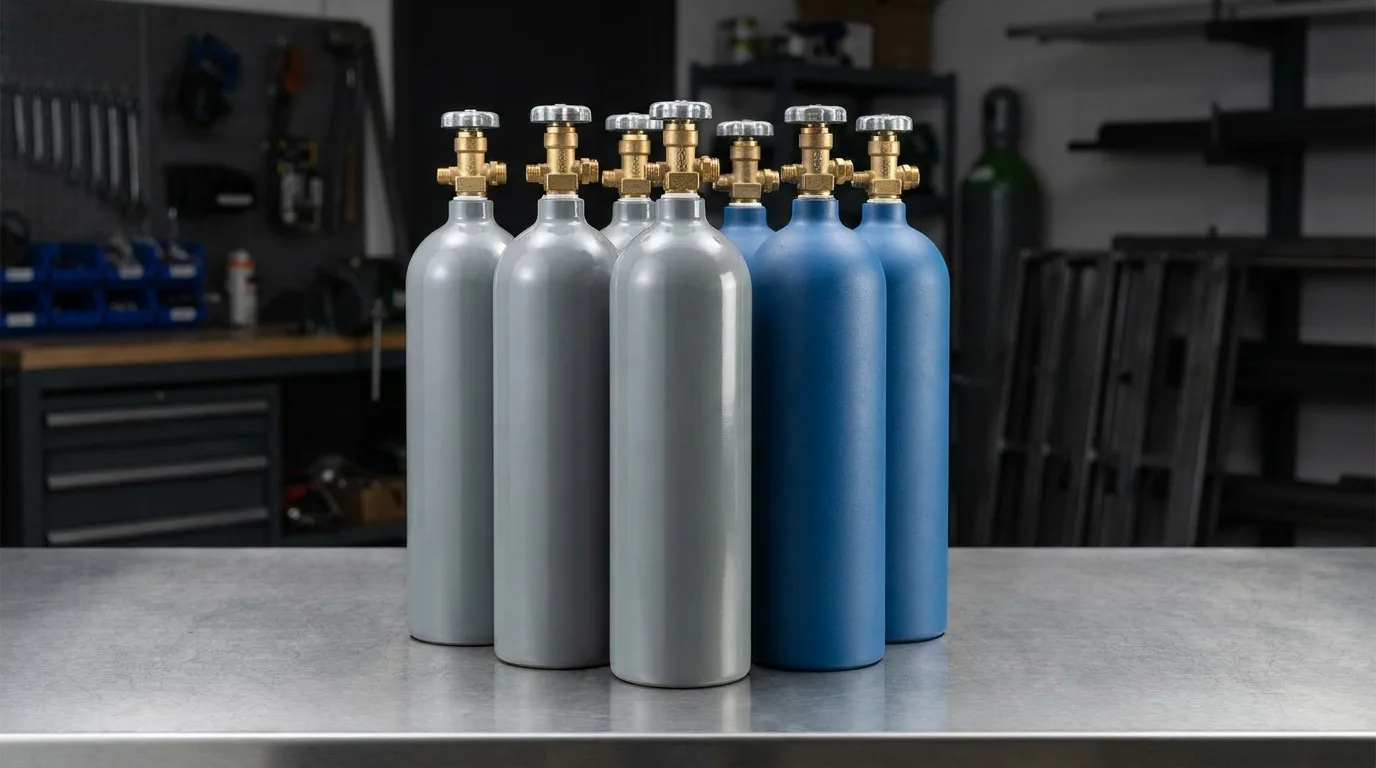
As a trusted welding gas supplier in the UK, Adams Gas provides a full range of rent-free welding gas cylinders suitable for both MIG and TIG welding. This guide explains how MIG and TIG welding gases work, why gas selection matters, and how to choose the right option for your application.

How shielding gas affects MIG and TIG welding
Shielding gas creates a protective atmosphere around the weld area, preventing oxygen, nitrogen and moisture from reacting with the molten metal.
Without adequate shielding, welds can suffer from:
-
porosity and trapped gases
-
oxidation and contamination
-
weak joints and reduced structural integrity
Although both MIG and TIG welding use shielding gas, the welding method and electrode type determine which gas composition is required.
-
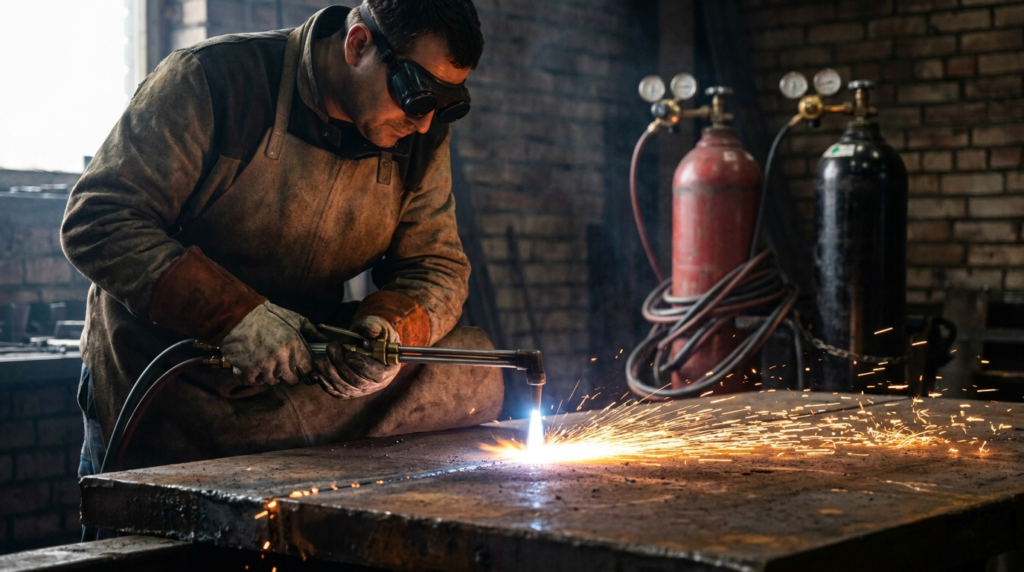
MIG welding uses a continuously fed wire electrode and benefits from gas mixtures that support penetration and metal transfer.
-
TIG welding uses a non-consumable tungsten electrode and requires an exceptionally clean, stable and inert shielding environment.
Adams Gas supplies process-specific welding gases, helping welders achieve consistent results across both techniques.
MIG welding gas: choosing the right mixtures
MIG welding gases are formulated to balance penetration, arc stability and spatter control, particularly when welding steel.
Common MIG welding gas options
Most MIG welding applications use:
-
argon–CO₂ mixtures
-
pure CO₂ (less common for quality-critical work)
Argon improves arc stability and helps reduce spatter, while CO₂ increases heat input and penetration. The ratio of these gases influences how the weld behaves.
Argon–CO₂ mixtures
Argon-based mixtures are the most popular choice for MIG welding mild steel because they:
-
produce a smooth, stable arc
-
reduce spatter and clean-up time
-
improve weld bead appearance
Typical mixtures include:
-
95% argon / 5% CO₂ – clean, general fabrication
-
80–85% argon / 15–20% CO₂ – greater penetration and productivity
Pure CO₂ for MIG welding
Pure CO₂ offers:
-
strong penetration
-
high arc energy
-
lower gas cost
However, it typically produces more spatter and a less refined weld appearance, so it is often better suited to heavier fabrication where aesthetics are less critical.
Adams Gas supplies a full range of MIG welding gas options in rent-free cylinders, allowing welders to choose the most suitable mixture without long-term rental commitments.
TIG welding gas: precision, control and clean welds
TIG welding demands a higher level of cleanliness and control than MIG welding. For this reason, pure argon is the most commonly used TIG shielding gas.
Why argon is ideal for TIG welding
Argon is inert, meaning it does not react with molten metal. This provides:
-
excellent arc stability
-
precise heat control
-
minimal spatter
-
clean, visually appealing welds
Pure argon is commonly used for TIG welding:
-
stainless steel
-
aluminium
-
copper
-
titanium and other non-ferrous metals
This makes argon the industry standard for TIG welding in both professional and hobbyist settings.
Argon–helium blends (specialist use)
In specialist applications, argon can be blended with helium to:
-
increase heat input
-
improve penetration on thicker materials
For most TIG welding tasks, however, pure argon remains the most practical and widely preferred choice.
Adams Gas supplies argon welding gas in multiple cylinder sizes, supporting TIG welders across a wide range of applications.
Why gas choice matters for weld quality
Using the correct welding gas is essential for producing consistent, defect-free welds.
The impact of incorrect gas selection
Using the wrong gas can lead to:
-
porosity and trapped contamination
-
excessive spatter and clean-up
-
poor penetration or fusion
-
weak or brittle weld joints
MIG welding needs gases that balance penetration and arc stability, while TIG welding relies on inert shielding to maintain precision and cleanliness. For this reason, welders choose professional suppliers like Adams Gas for accurately mixed, safety-tested welding gases.
Rent-free welding gas cylinders: a smarter supply option
Many welders now choose rent-free welding gas cylinders as a cost-effective alternative to traditional rental agreements.
Benefits of rent-free welding gas
Rent-free cylinders:
-
remove ongoing rental fees
-
reduce long-term costs
-
suit hobbyists and small workshops
-
offer flexible refill and exchange options
Customers buy the cylinder outright and pay only for refills. This model is particularly attractive for:
-
home welders
-
mobile fabricators
-
small engineering businesses
As a leading supplier of rent-free welding gas, Adams Gas offers argon, CO₂ and mixed welding gases supported by an extensive UK stockist network and dependable delivery options.
Choosing the right welding gas for your application
Selecting the correct gas depends on several factors:
-
welding process (MIG or TIG)
-
material type
-
thickness and joint design
-
desired weld appearance
Quick selection guide
MIG welding
-
Mild steel: argon–CO₂ mixture
-
Structural work: higher CO₂ blends or pure CO₂
TIG welding
-
Most applications: pure argon
-
Thick materials (specialist): argon–helium blends
Understanding how gas composition affects weld behaviour helps welders achieve cleaner, stronger and more reliable results. Adams Gas supports customers with expert advice and a comprehensive range of welding gases for all experience levels.
MIG vs TIG welding gas explained
MIG and TIG welding have different shielding gas requirements. MIG welding commonly uses argon–CO₂ mixtures to balance arc stability and penetration, while TIG welding typically relies on pure argon to deliver precision, cleanliness and control.
Adams Gas supplies a full range of MIG and TIG welding gases in rent-free cylinders, making it straightforward for hobbyists and professionals alike to access high-quality shielding gas without long-term rental commitments. With expert guidance, reliable delivery and a strong UK supply network, Adams Gas remains a trusted partner for welders nationwide.
Visit the Adams Gas website for more information on MIG vs TIG Welding Gas: Complete Guide for Hobbyists & Professionals
ENQUIRY FORM
More News