BBQ Gas in a Heatwave: How to Keep Grilling All Summer
With the UK in the grip of a heatwave, gardens, patios and pub beer gardens are seeing more barbecue use than at any other time of year.
The last thing you want on a hot, busy weekend is to fire up the barbecue and discover that the gas has run out. This guide explains why demand for BBQ and patio gas rises during the summer, how to tell when your bottle is running low, and how to arrange a fast refill or exchange so the cooking can continue.
Why BBQ and patio gas runs out faster during a heatwave
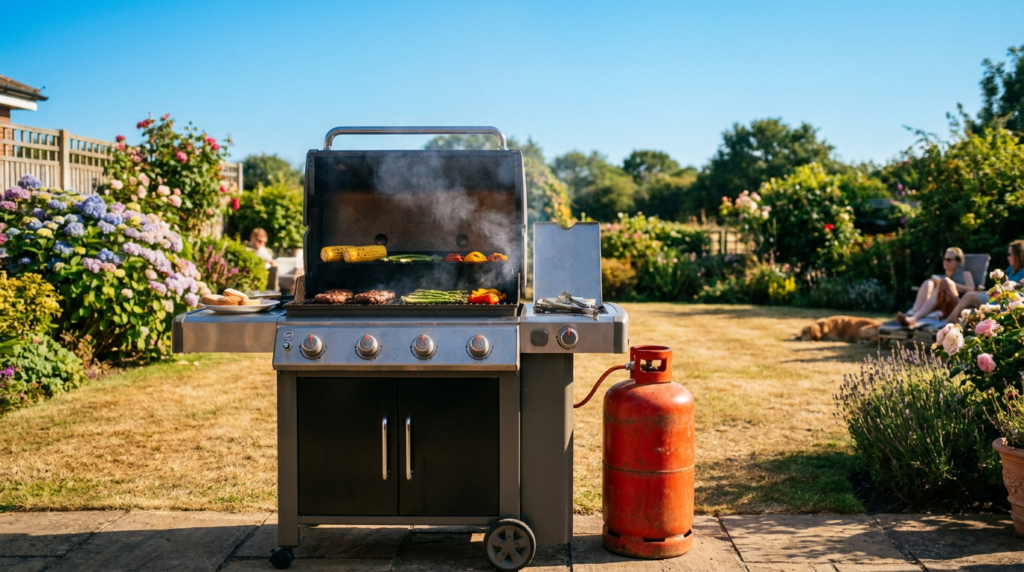
Hot weather changes how often and how heavily gas is used. During a heatwave, the barbecue may be used several times a week rather than once every couple of weeks, while gatherings often become larger as friends and family spend more time outdoors.
Patio heaters, pizza ovens and outdoor hobs can also draw from the same bottle.
As a result, a cylinder that might normally last most of the summer can be emptied within a few weeks of regular use. Demand also rises across the country at the same time, meaning the busiest barbecue weekends are often when finding a refill becomes most difficult.
A little preparation can help you avoid being caught out.
How to tell when your gas bottle is running low
There is often very little warning before a bottle runs out during cooking. These quick checks can help you estimate how much gas remains before lighting the barbecue.
Try the warm-water test
Pour warm water down the side of the cylinder, then feel for a cool line. The metal below the gas level will feel cooler, giving you a rough indication of how full the bottle is.
Lift and compare
A nearly empty bottle will feel noticeably lighter. Many cylinders have their empty, or tare, weight stamped on the collar. Weighing the bottle and subtracting this figure can help you estimate how much gas remains.
Watch the flame
Weak, uneven or yellow-tinged flames, together with a reduction in heat, can indicate that the bottle is close to empty.
Keep a spare bottle
The most reliable approach is to have a second bottle ready. That way, an empty cylinder becomes a minor inconvenience rather than the end of your barbecue.
Fast refills and cylinder exchanges
When a bottle runs out, the priority is getting a full one as quickly as possible. Adams Gas offers two options.
Exchange: Swap your empty cylinder for a full one and return to the barbecue with minimal downtime.
Refill: Keep your existing bottle and have it refilled, which may be preferable if you want to retain a particular cylinder.
Offering both refill and exchange provides flexibility during the busy summer season.
Adams Gas is supported by a nationwide network of stockists, so there may be a supply point close to your home. Local delivery is also available in some areas for households and businesses that would prefer gas to be brought directly to them.
For pubs, caterers and events businesses, a dependable supply is particularly important when customers are waiting. Adams Gas can help arrange a supply that keeps pace with demand.
Which gas should you use for your barbecue?
Most gas barbecues in the UK use patio gas or propane, while butane is suitable for certain appliances. The correct choice depends on your barbecue, its connection and how it will be used.
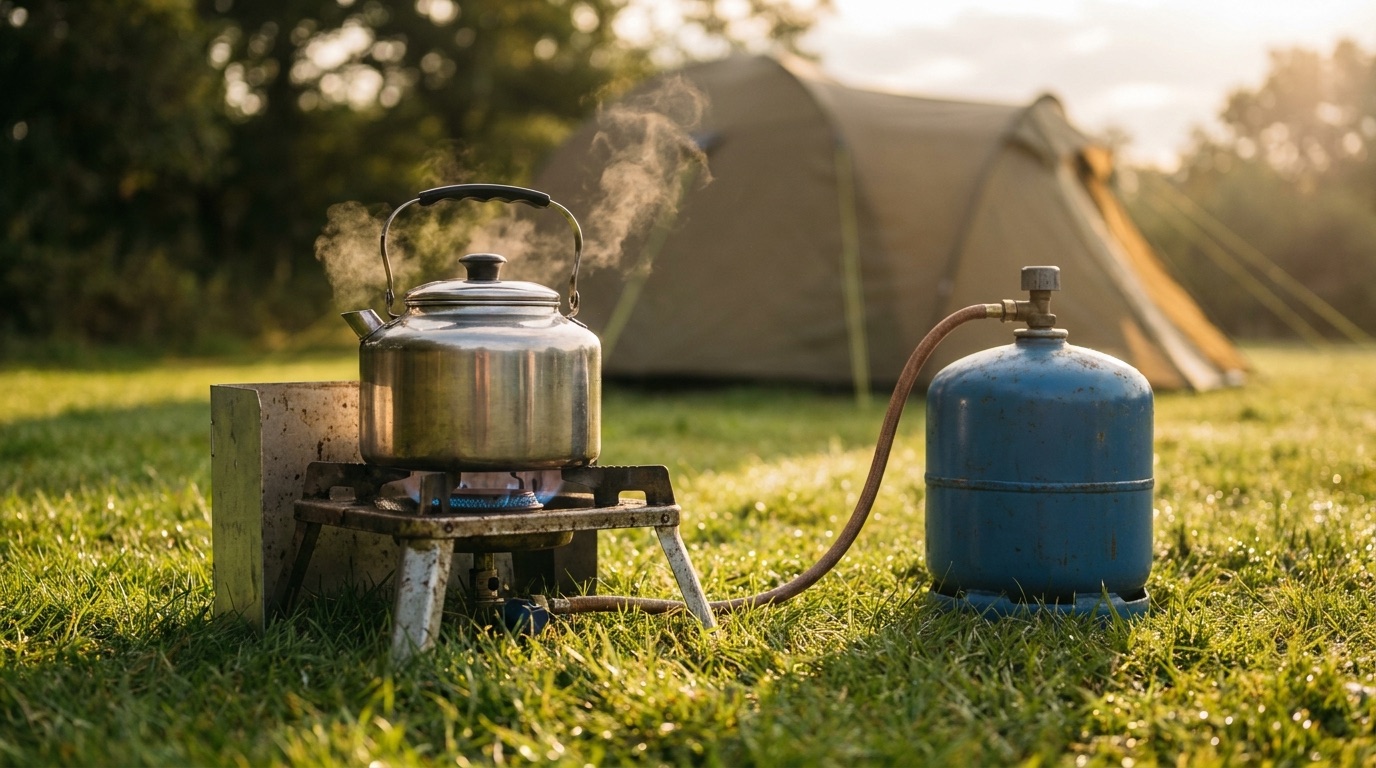
Patio gas is propane supplied in a cylinder designed for outdoor leisure use, usually with a clip-on regulator. It performs well in cooler conditions and is a popular option for barbecues and patio heaters.
Propane works across a wide range of temperatures and is commonly used for barbecues, catering and outdoor heating.
Butane is often used with indoor-rated and portable appliances, but it is less suitable for colder weather.
Always check the manufacturer’s instructions and make sure the regulator and bottle fitting are compatible with your appliance.
Storing gas bottles safely in hot weather
Gas cylinders are safe when handled correctly, but hot weather is a useful reminder of the basic precautions.
Store cylinders upright, outdoors and in a well-ventilated area away from direct sunlight and heat sources.
Keep bottles away from drains, basements and enclosed spaces. They should also be stored clear of barbecues, fire pits and other sources of ignition.
Turn the gas off at the cylinder when you have finished cooking, rather than relying only on the barbecue controls.
Before the first barbecue of the season, inspect the hose and connections for cracks, leaks or signs of wear. Replace any damaged parts before using the appliance.
Frequently asked questions
How long does a BBQ gas bottle last?
This depends on the size of the bottle, the output of the barbecue burners and how frequently you cook.
A patio gas bottle may last for many cooking sessions under normal use, but it will empty much faster during a heatwave if the barbecue is used regularly. Keeping a spare bottle is the best way to avoid running out.
What is the difference between patio gas and propane?
Patio gas is propane supplied in a bottle intended for outdoor leisure use, usually with a clip-on regulator. Standard propane bottles generally use a screw-on regulator.
Both work well across a range of temperatures, with the main differences being the fitting and intended application.
Where can I get a BBQ gas refill near me?
Adams Gas has a nationwide network of stockists, so there may be a nearby location offering refills or exchanges. Delivery may also be available in your area.
Can I exchange an empty bottle, or do I need to buy a new one?
Adams Gas offers both refill and exchange services. You can swap your empty bottle for a full one for the quickest turnaround, or keep your own cylinder and have it refilled.
Is it safe to leave a gas bottle in the sun?
Gas cylinders should be kept out of prolonged direct sunlight and away from heat sources.
Store them upright in a shaded, well-ventilated outdoor location, away from the barbecue and any other source of ignition. Always turn the gas off at the cylinder after use.
Be ready for the next sunny weekend
Do not let an empty gas bottle bring your barbecue to an early end.
Find your nearest Adams Gas stockist, check local delivery availability or contact the team to arrange your BBQ and patio gas supply for the summer.
Visit the Adams Gas website for more information on BBQ Gas in a Heatwave: How to Keep Grilling All Summer
ENQUIRY FORM
More News