What is Dew Point?
Dew point is the temperature at which a gas, such as air, becomes saturated with water vapour and condensation begins to form.
In simple terms, when air cools to its dew point, it can no longer hold all the water vapour present. The excess moisture then condenses into liquid water, forming dew. If the dew point is below 0°C, the moisture may form frost instead.
As air cools at constant pressure, its capacity to hold water vapour decreases. Once the dew point temperature is reached, any further cooling causes water to condense out of the air.
Key points to understand
A higher dew point means there is more moisture present in the air or gas.
A lower dew point means the air or gas is drier.
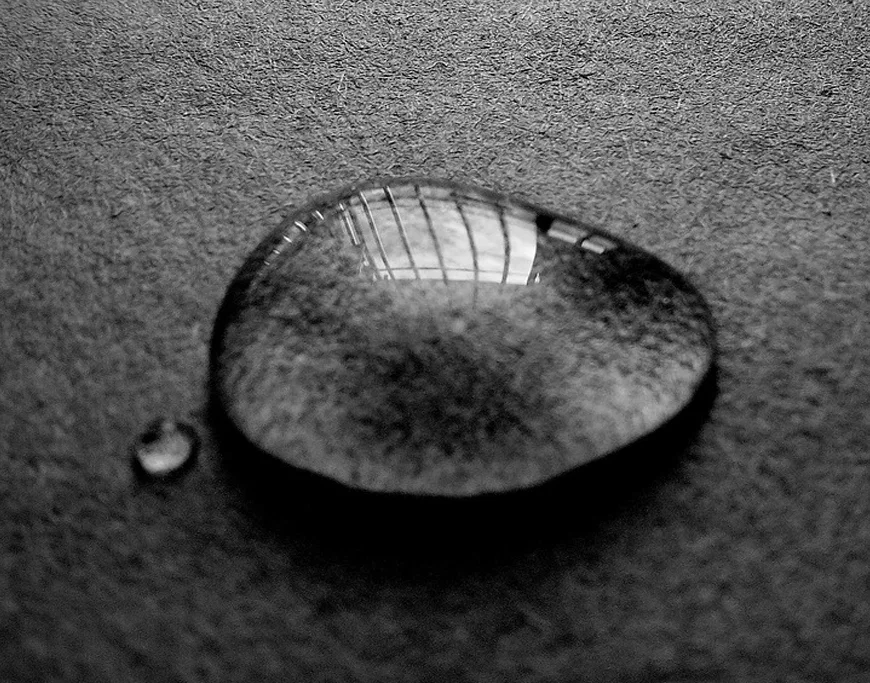
Unlike relative humidity, dew point reflects the actual moisture content and is not dependent on air temperature in the same way.
Dew point vs relative humidity
Dew point and relative humidity are often confused, but they measure moisture in different ways.
Dew point gives a direct indication of absolute moisture content. Relative humidity shows the percentage of moisture present compared with the maximum amount the air could hold at a given temperature.
This difference matters because relative humidity changes significantly with temperature. Dew point, by contrast, provides a more stable and practical measurement of how much water vapour is actually present.
For trace moisture measurement in compressed air and industrial gas systems, dew point is usually preferred because it gives a clearer indication of moisture levels, especially when dealing with very small quantities of water vapour.
Dew point in compressed air systems
In compressed air systems, the term pressure dew point (PDP) is often used. This is the dew point temperature measured at the operating pressure of the system, rather than at atmospheric pressure.
Pressure affects dew point because compressing air reduces its volume and concentrates the water vapour. As a result, even if the actual amount of moisture has not changed, the dew point at pressure will be higher than it would be under atmospheric conditions.
This is why pressure dew point is an important measurement in compressed air systems, dryers and process gas applications. It helps operators understand whether moisture levels are within acceptable limits for reliable operation.
Why dew point measurement matters
In process gases and compressed air systems, dew point is one of the most reliable and practical parameters for measuring and controlling trace moisture.
Accurate dew point measurement helps protect equipment, maintain product quality, improve process reliability and support operational safety. Excess moisture can lead to corrosion, ice formation, contamination, poor product performance and system failure.
For this reason, dew point monitoring is widely used across industrial applications where moisture control is critical.
Dew point measurement solutions
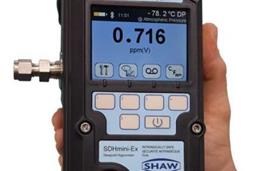
Shaw Moisture Meters provides a range of products for trace moisture and dew point measurement, including portable hygrometers for spot checks, inline analysers for continuous monitoring, sample systems for stable measurement conditions, and calibration services to help maintain accuracy and compliance.
To learn more about dew point measurement for your gas or compressed air system, contact the Shaw team.
Visit the Shaw Moisture Meters (UK) Ltd website for more information on What is Dew Point?
ENQUIRY FORM