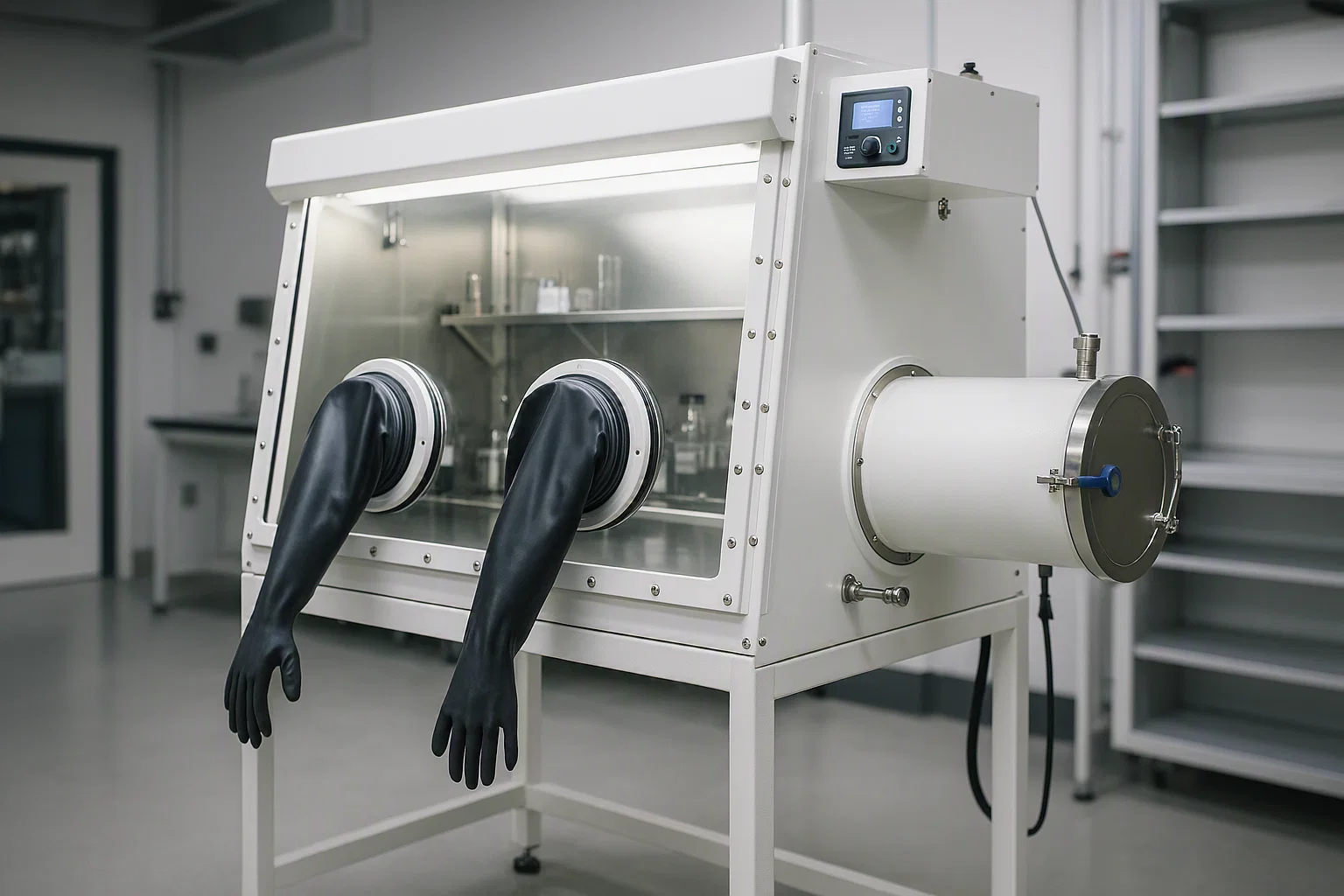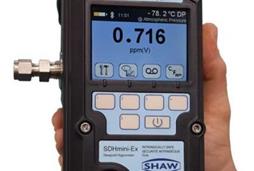
Portable Hygrometer for Dry Rooms
Portable hygrometers for dry rooms: a commissioning and troubleshooting guide
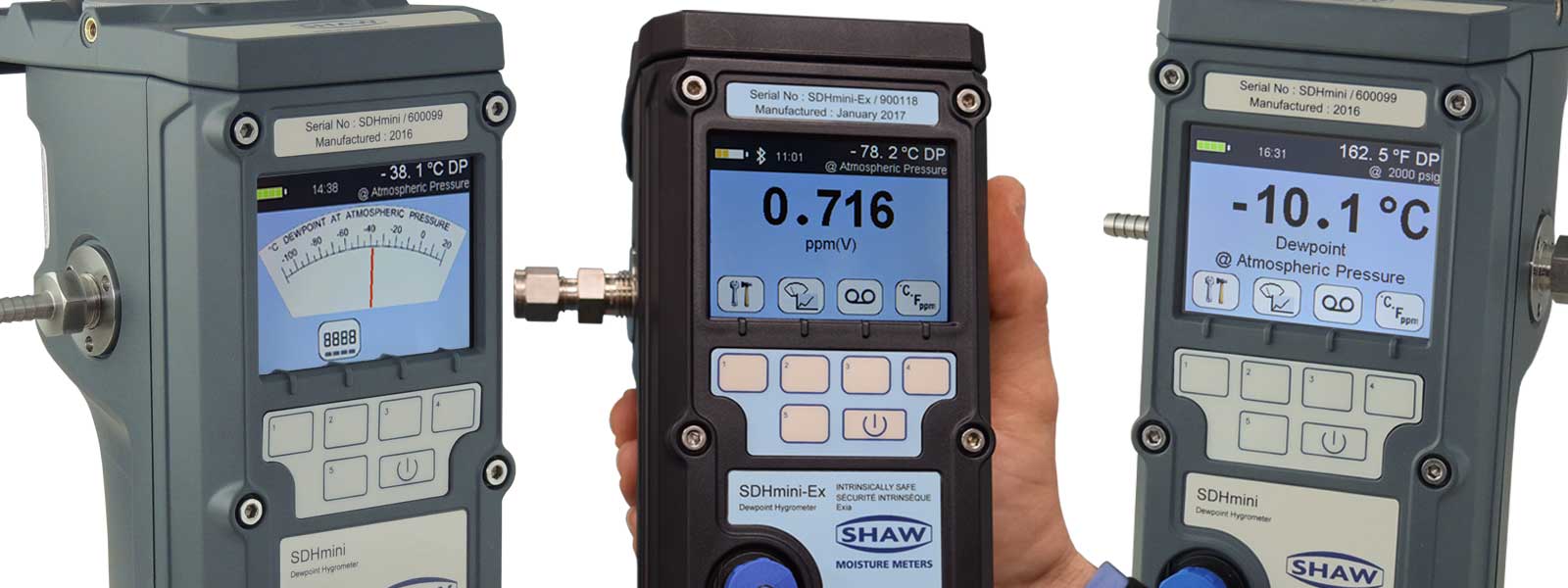
A portable hygrometer for dry rooms allows engineers to check multiple zones during a single survey.
It is particularly useful during commissioning, when a new zone or system needs to be shown to meet its specification, and during troubleshooting when a dewpoint reading moves outside its target.
In lithium-ion battery manufacturing, even small amounts of moisture can affect product quality and safety.
A portable instrument complements fixed monitoring by giving engineers a practical way to carry out dry room dewpoint measurements, investigate local conditions and confirm that the dry room is performing as intended.
Why dry rooms need portable dewpoint checks
Fixed dewpoint transmitters provide continuous monitoring at the points where they are installed, such as the dehumidifier outlet and selected positions within each zone.
They show what conditions are like at those locations around the clock.
However, a fixed transmitter cannot identify on its own which door, seal or process step caused a local moisture problem.
A transmitter that has drifted may also continue to show a reading that appears plausible.
This is why periodic spot checks using a separately calibrated portable reference can be an important part of dry room management.
When to use a portable hygrometer
Commissioning a new dry room zone
During commissioning, a portable hygrometer can help confirm that a new zone, system or refurbished area reaches and maintains its specified dewpoint before production begins.
Engineers can check the dry air supply, measure conditions throughout the zone and identify any areas that require further attention.
Investigating a dewpoint excursion
When a zone reading moves outside its specified dewpoint target, a portable hygrometer can help narrow down the possible cause.
By working through the zone, engineers can distinguish between a local problem, such as a door seal, and a wider issue involving the dry air supply or dehumidification system.
Verifying fixed transmitters
Taking a reading with a separately calibrated portable reference alongside a fixed transmitter provides a useful cross-check.
If the readings agree, confidence in the fixed transmitter increases.
If they do not, the difference may be caused by the transmitter itself, the sampling arrangement or a local moisture condition within the zone.
How to walk the dry room with a portable hygrometer
The aim is to take comparable readings at each location using a consistent method.
A typical survey route includes the dehumidifier supply, where engineers can confirm that the desiccant dryer is delivering the required dry air.
Each production zone should also be checked, including areas such as coating and calendaring, stacking or winding, and electrolyte filling, with each result compared against the specific dewpoint target for that zone.
Airlocks and transfer areas should also be spot checked because people and airlock openings are among the main moisture loads within a dry room.
For more detail, see our post on dry room airlock moisture.
At each location, allow the instrument and sample system to stabilise before recording the reading.
The sampling method should also remain consistent so that results can be compared properly between locations.
Airlocks deserve particular attention during a portable survey.
Our post on dry room airlock moisture explains why these areas are among the most common routes for moisture to enter a dry room.
Dry room requirements vary according to the process stage.
Electrolyte filling and cell sealing typically require the driest conditions, while other areas may operate to different targets.
Always compare each reading with the specification for that particular zone.
For more detail on why moisture control matters throughout cell production, see our application note on dewpoint measurement in lithium-ion battery manufacture.
What to look for in a portable hygrometer
Two particularly important qualities for this type of work are fast response and fast dry-down.
A fast response allows the instrument to show changes in air conditions quickly, helping engineers identify where conditions differ.
Fast dry-down helps the instrument recover quickly after exposure to wetter air, such as when moving from a corridor or airlock back into a very dry production zone.
A suitable measurement range and accuracy are also important so that the instrument can measure the very low dewpoints required in battery dry rooms.
Practical sampling options make it easier to take consistent readings at different points within the room.
Good performance in both response and dry-down allows engineers to move through the dry room more efficiently without unnecessary waiting at each measurement point.
Portable and fixed instruments: which do you need?
Fixed transmitters and portable hygrometers perform different but complementary roles.
Fixed dewpoint transmitters are best suited to continuous monitoring of critical points, alarm generation and long-term process visibility.
Portable hygrometers are better suited to commissioning, scheduled spot checks, transmitter verification and troubleshooting local excursions.
Used together, they give dry room teams both continuous oversight and the ability to investigate conditions throughout the wider space.
Frequently asked questions
What dewpoint should a lithium-ion battery dry room maintain?
It depends on the process stage and the manufacturer’s specification.
The driest conditions are generally required around electrolyte filling and cell sealing, while other zones may operate to different targets.
Always follow the dewpoint specification for the specific zone and product.
How often should portable dewpoint checks be carried out?
The frequency depends on the criticality of the zone, the stability of the dry room system and the site’s own quality procedures.
Many manufacturers use portable checks during commissioning, after maintenance or system changes, and as part of scheduled verification of fixed instruments.
Can a portable hygrometer verify a fixed dewpoint transmitter?
Yes.
A separately calibrated portable instrument can provide a useful cross-check when positioned alongside a fixed transmitter.
If the readings differ, investigate the fixed transmitter, its sampling arrangement and local conditions within the zone.
Why is dry-down important when measuring in a dry room?
Moving between a less dry corridor or airlock and a very dry production zone can expose the sensor to moisture.
Fast dry-down helps the instrument return to a stable, accurate reading more quickly, making spot checks more efficient and easier to compare.
Choose the right dry room measurement setup
Our portable hygrometers are designed for the commissioning, verification and troubleshooting work described above.
Combined with fixed dewpoint transmitters, they help dry room teams maintain confidence in both everyday monitoring and investigations when conditions change.
If you would like help choosing the right combination of fixed and portable instruments for your dry room, get in touch with our team.
Visit the Shaw Moisture Meters (UK) Ltd website for more information on Portable Hygrometer for Dry Rooms
ENQUIRY FORM