Lithium-Ion Dry Room Dewpoint
Why measuring dewpoint at the dehumidifier is not enough in a lithium-ion dry room
A reading at the dehumidifier outlet tells you the condition of the supply air.
It does not necessarily tell you what your cells and materials are exposed to throughout the dry room.
In many lithium-ion plants, the local dry-room atmosphere surrounds the cell during much of the assembly process.
The relevant condition for exposed materials and open-cell operations is therefore the atmosphere at the point of use, not simply the air leaving the dehumidifier.
Here is why that distinction matters and what can be done about it.
What the supply reading can and cannot tell you
A fixed dewpoint transmitter at the dehumidifier outlet confirms the condition of the air at that measurement point.
It cannot show which moisture specification each zone is meeting, and different zones may have different requirements.
Plants may divide a dry room into zones because individual process stages do not all have the same moisture sensitivity.
Typical targets may range from approximately −30 °C to −45 °C for many cell assembly operations, while electrolyte filling, lithium metal processes and other highly moisture-sensitive work may require approximately −50 °C to −60 °C or lower.
Actual limits will depend on the chemistry, materials, process and plant specification.
Why lithium-ion dry room dewpoint targets are so tight
Moisture can promote degradation of the LiPF₆ conducting salt and the formation of hydrofluoric acid.
It can also affect electrode surfaces, destabilise the electrolyte and alter solid-electrolyte interphase formation.
These effects can reduce cell performance, while other side reactions may generate gas and cause sealed pouch cells to swell.
They can begin during manufacturing before the cell is sealed and may contribute to longer-term performance and safety problems.
Dry-room performance depends on more than the rated capacity of the dehumidifier.
Moisture loads from people, door operation, material transfer, air leakage and process equipment can all affect the final room condition.
Engineers therefore need to calculate the total moisture load and verify dry-room performance at representative points throughout the space, rather than relying only on the dehumidifier outlet.
Where moisture enters after supply
People, door and airlock operation, material transfer and air leakage can all create significant moisture loads within a dry room.
Airlocks and material transfer points should therefore form part of the measurement plan.
Some plants install additional sensors in these areas so operators can detect moisture entering through door operation, leakage or inadequate purge performance before it affects the wider zone.
Electrolyte filling and other moisture-sensitive operations often have some of the strictest atmospheric requirements.
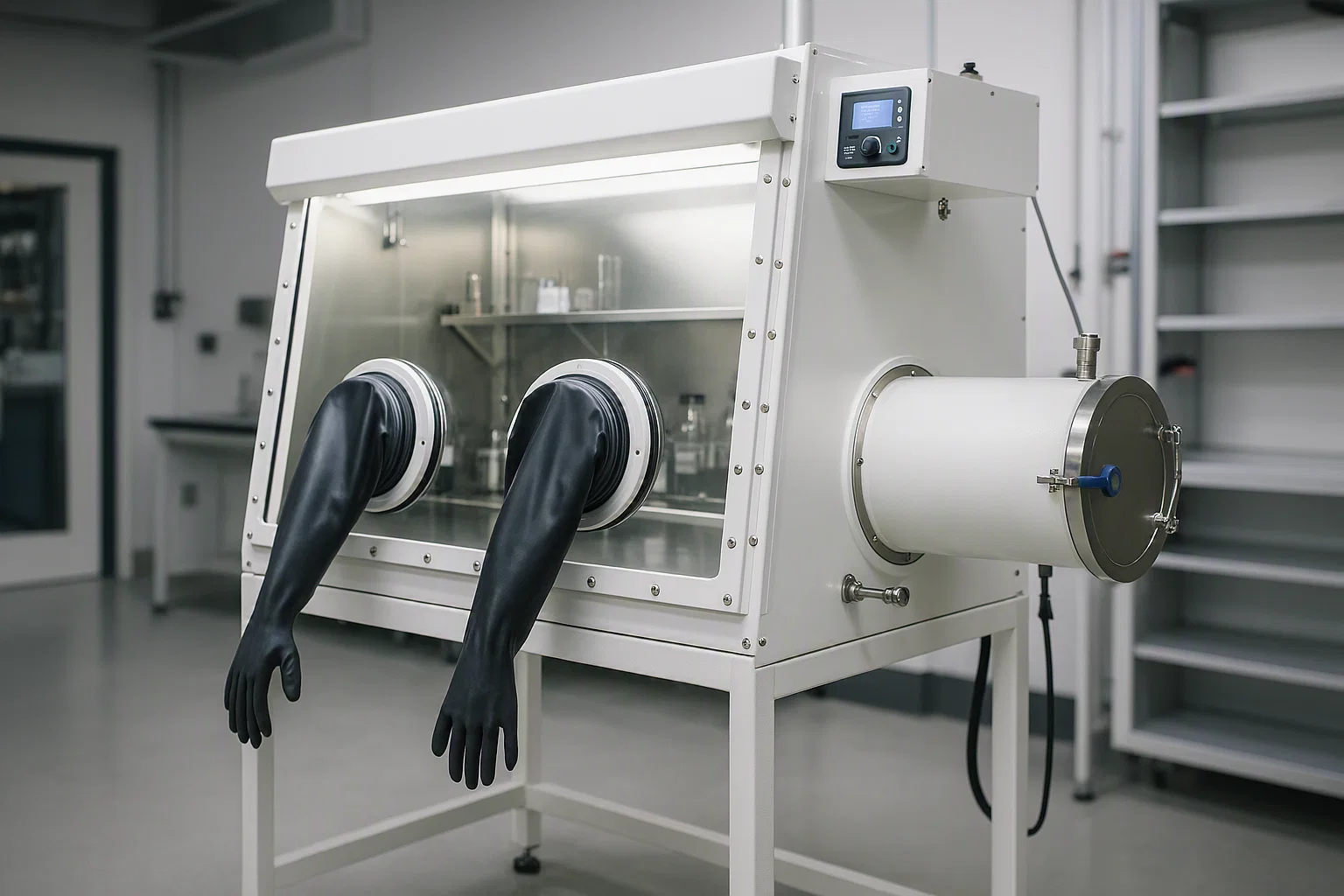
Gloveboxes and local enclosures should be monitored using the measurement points and methods specified for those systems, rather than assuming they will match the surrounding dry-room air.
What a practical measurement plan looks like
Dry-room dewpoint should be measured continuously in each zone, not only at the supply.
Fixed dewpoint transmitters at the supply and at representative locations within each zone give operators continuous information about conditions at those specific points.
Sensors should be positioned according to airflow patterns, process layout and likely moisture entry points.
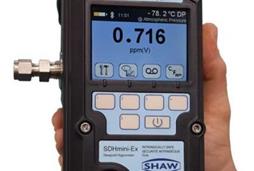
For commissioning and troubleshooting, a portable hygrometer with fast response and rapid dry-down can help engineers survey multiple zones.
It can also be used to check fixed transmitters independently and locate moisture excursions, provided the sampling method, pressure and stabilisation time are properly controlled.
What dewpoint cannot tell you
Dewpoint confirms the atmosphere to which the electrolyte is exposed during filling.
It does not measure the water content of the electrolyte itself once it has been sealed in the cell.
Laboratories normally determine water content in these materials using a validated method such as Karl Fischer titration, with sample preparation selected according to the material being tested.
Read the full application note
Our application note, Dewpoint Measurement in Lithium-Ion Battery Manufacture, covers the moisture mechanisms, dry-room architecture and measurement locations in more detail.
If you would like help choosing the right combination of fixed and portable instruments for your dry room, contact the Shaw Moisture Meters applications team.
Visit the Shaw Moisture Meters (UK) Ltd website for more information on Lithium-Ion Dry Room Dewpoint
ENQUIRY FORM