Myths vs. Facts on Gas Cylinder Safety
Adams Gas has a long-standing reputation as a trusted supplier of bottled gas across the UK, serving everyone from busy pubs to homeowners enjoying garden gatherings. Yet, despite the widespread use of bottled gases, a few misconceptions persist. This no-nonsense guide separates myth from fact so you can choose, handle, and store cylinders with confidence.
-
Safety myths
Myth: All gas cylinders are dangerous and likely to explode.
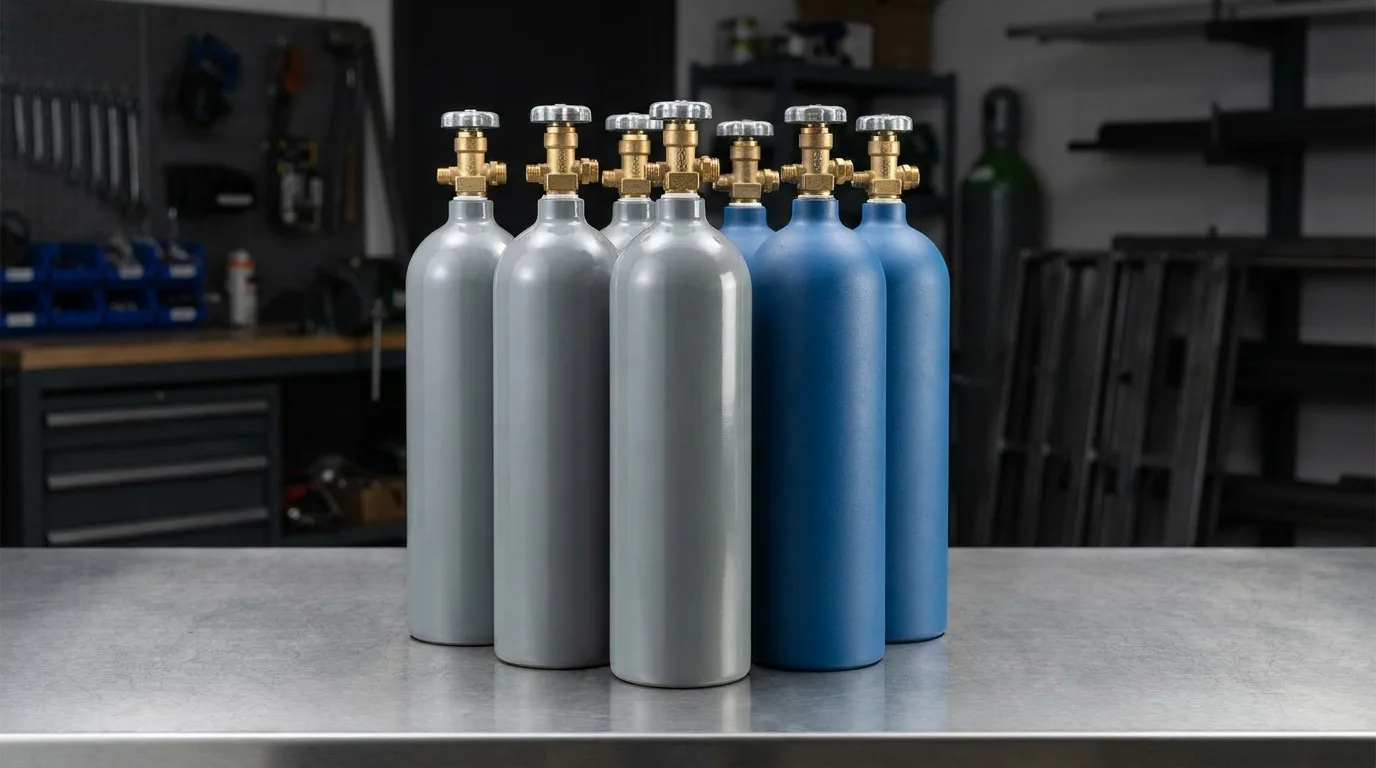
Fact: Cylinders from reputable suppliers such as Adams Gas are engineered to rigorous safety standards. Robust steel construction, pressure-relief valves, and valve guards are standard. When handled and stored correctly, incidents are exceptionally rare.
Practical precautions:
• Secure transport: Move and stow cylinders upright; use straps or cages as required.
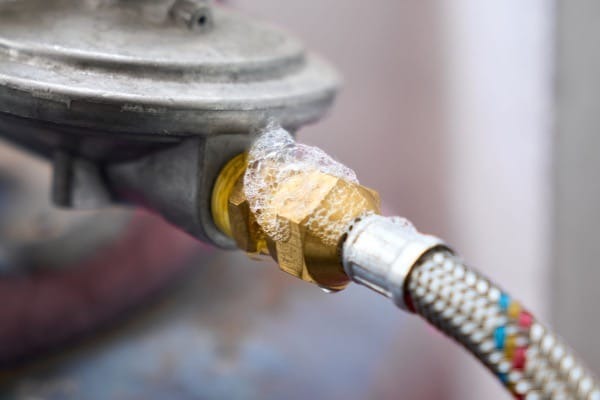
• Routine inspection: Apply soapy water to valves and connections—bubbles indicate a leak.
• Proper storage: Keep cylinders in a ventilated, dry area, away from direct sunlight and ignition sources.
Follow these steps for safe operation—whether in a pub cellar or a garden shed.
-
Cost myths
Myth: Bottled gas is always more expensive than mains supply.
Fact: While unit prices for propane or butane can appear higher, overall cost depends on usage patterns, appliance efficiency, and the absence of standing charges.
What to consider:
• Higher calorific value: Propane delivers more heat per kilogram than natural gas, often reducing total consumption.
• No fixed fees: Unlike mains gas, there are no monthly standing charges—pay only for what you order.
• Flexible deliveries: One-off fills or scheduled top-ups mean you buy exactly when needed.
Compare annual consumption, appliance efficiency, and any infrastructure costs for a fair, side-by-side analysis.
-
Maintenance myths
Myth: Gas cylinders don’t need regular inspection or testing.
Fact: Cylinders are pressure vessels and must be checked periodically to remain safe and compliant. In the UK, most require an annual visual inspection and a hydrostatic test roughly every ten years.
What to look for:
• Visual inspections: Annual checks for corrosion, damage, or leaks by competent technicians.
• Hydrostatic testing: Water-pressurised testing to detect weaknesses at ten-year intervals.
• Certification marks: Check the stamped test date and inspector’s mark on the cylinder shoulder.
Stick to test schedules and return cylinders for certified checks to maintain safety, compliance, and uptime.
-
Technical myths
Myth: All propane and butane cylinders are interchangeable.
Fact: Cylinders differ by valve type, operating pressure, and application. Using the wrong setup can impair performance or breach safety rules.
Key differences:
• Valve configurations: Domestic appliances may use EN 417 or POL fittings; industrial gases often require DIN or CGA connectors.
• Working pressures: Specialist applications demand higher pressures than standard BBQ or heating bottles.
• Regulatory compliance: Professionals must follow HSE guidance and BS EN standards; incorrect cylinder use can invalidate insurance or warranties.
Always consult Adams Gas to confirm the correct cylinder and fittings for your task.
Why myths persist
Misinformation spreads via social media, forums, and word of mouth. Adams Gas counters this with clear safety datasheets covering transport, storage, and connections, plus regular blog updates with industry-specific tips. Accurate, up-to-date information helps you cut costs, optimise performance, and uphold the highest safety standards.
How Adams Gas helps
Whether you’re a heating engineer or an event planner calculating helium needs, we’re here to help.
Visit the Adams Gas website for more information on Myths vs. Facts on Gas Cylinder Safety
ENQUIRY FORM
More News