Bottled Gas 101: Everything You Need to Know
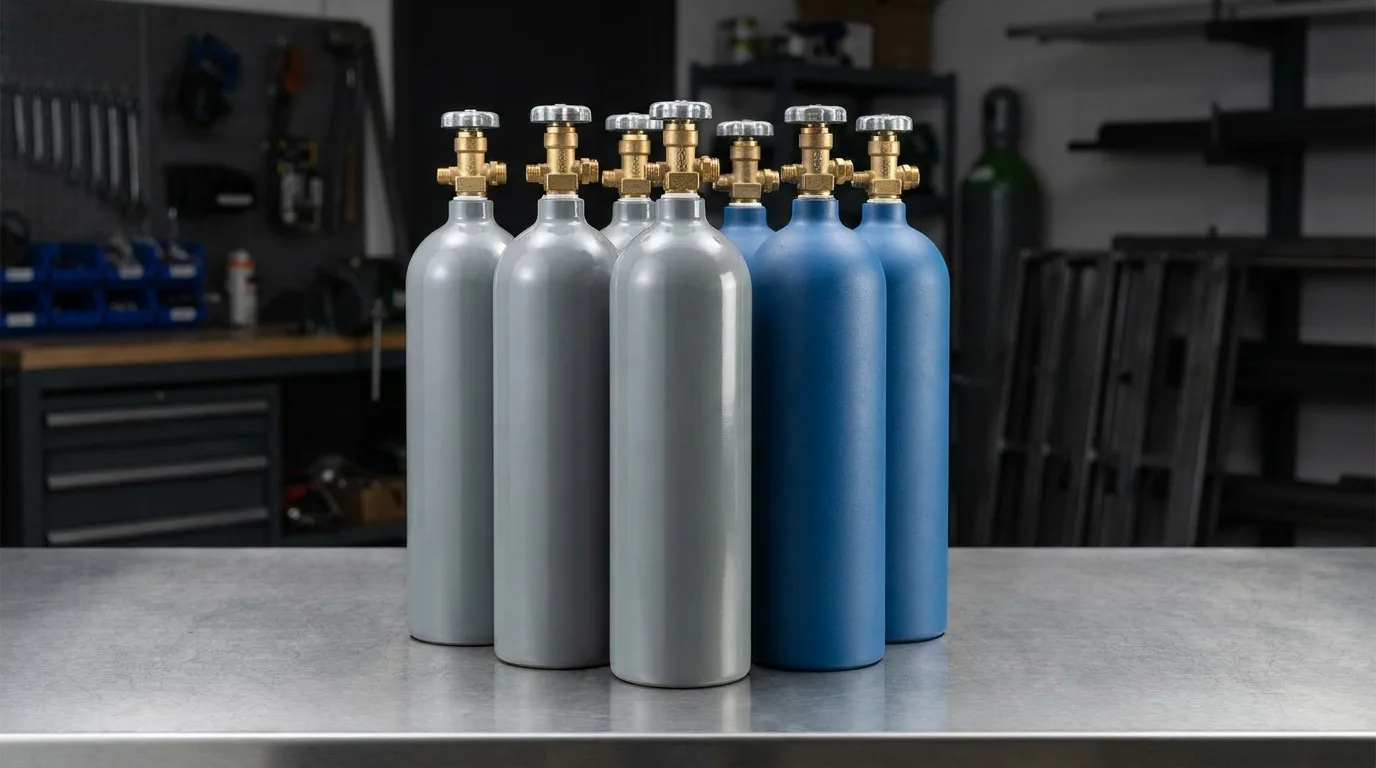
Bottled gas is fuel stored in pressurised containers for a wide range of uses, including industrial, medical, and scientific applications. These cylinders are used to store and transport gases such as propane, butane, and other liquefied petroleum gases (LPG). They are typically made from steel or aluminium and come in various sizes and shapes depending on the gas and application. Bottled gases are valued for their high energy efficiency.
Advantages of bottled gas
Bottled gas offers portability, efficiency, and ease of use. Although cylinders eventually run out, you can simply obtain refills from a nearby Adams Gas partner stockist. They are straightforward to transport and store, adding to their convenience, and they contain a high energy density, making them an efficient fuel choice.
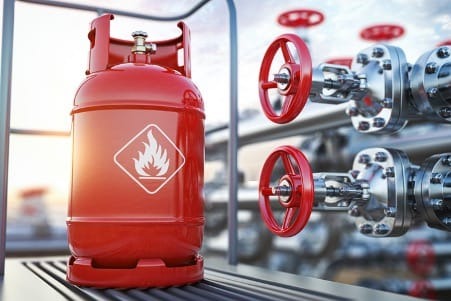
Types of bottled gas and their uses
• Argon gas (UK): Commonly used in welding and casting.
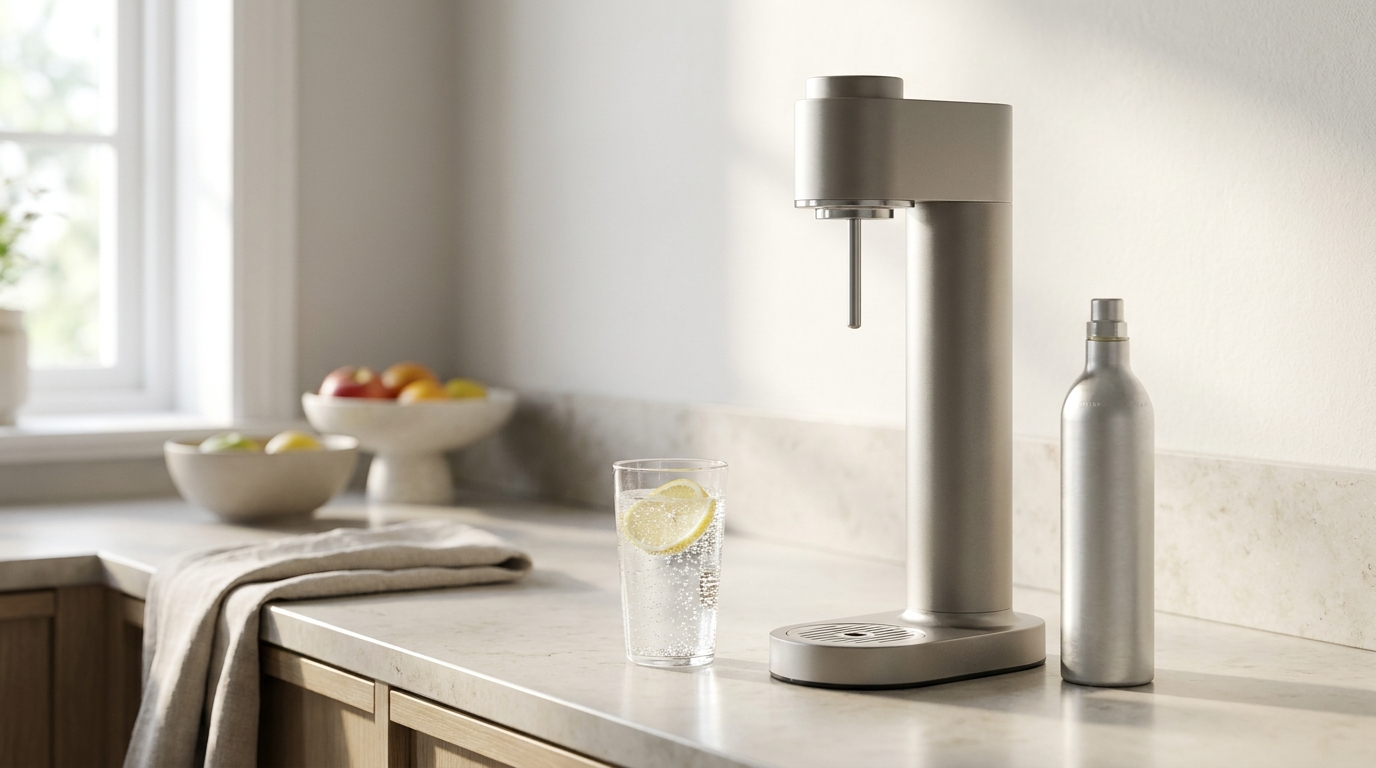
• CO₂ cylinders: Ubiquitous across many industries, with applications ranging from beverages to manufacturing processes.
• Helium canisters: Used for balloon inflation and airships due to its lightness, as a tracer for leak detection in pipelines and tanks, and as a shielding gas for welding.
• Beer gas cylinders: Gas blends add carbonation to beer, can enhance taste, and extend shelf life. We supply cost-effective options for pubs, cellars, and home bars.
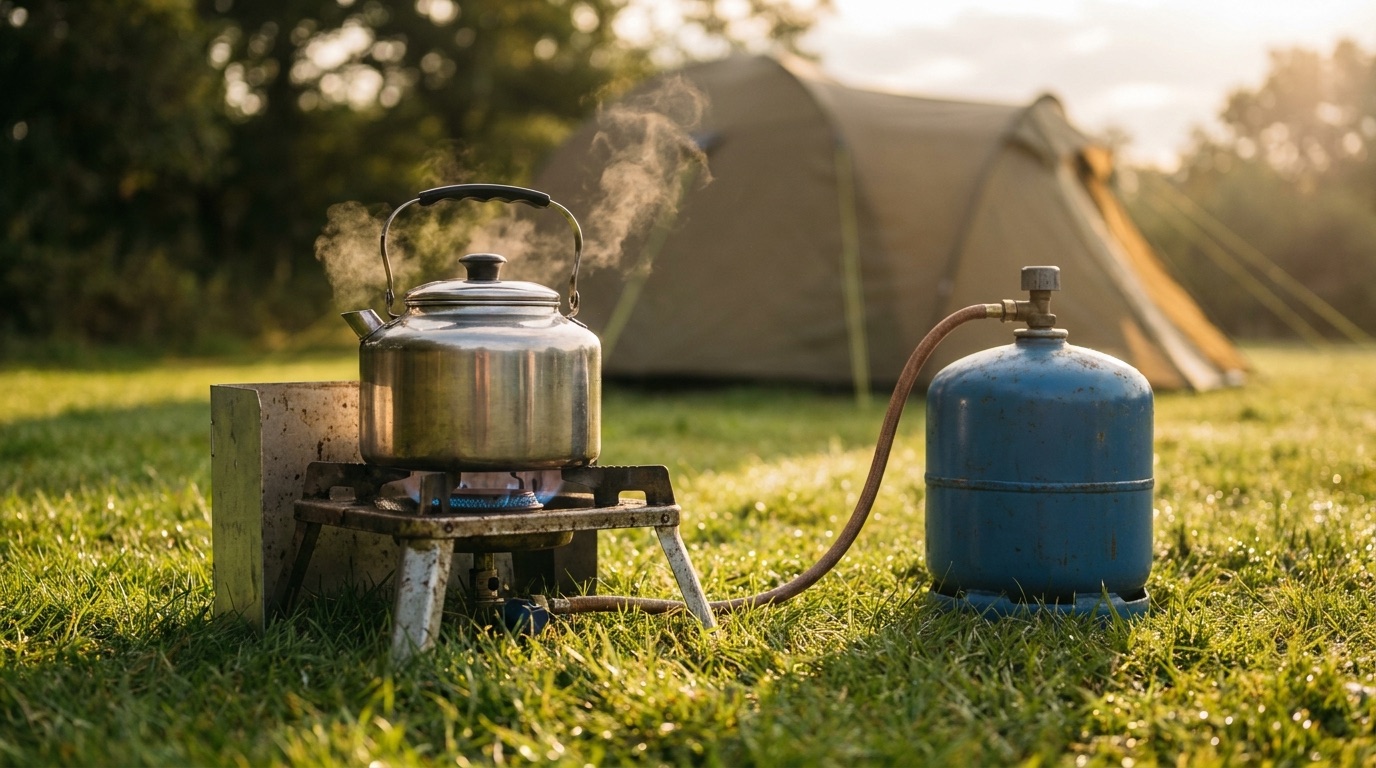
• Butane gas: Widely used as a fuel for portable heaters, camping stoves, and barbecues; also used as a propellant and refrigerant. It does not deplete the ozone layer.
• Propane gas: A form of LPG derived from natural gas processing and oil refining. Performs well in colder conditions, making it ideal for outdoor use. Common for BBQs, patio heaters, cooking, heating, and powering tools in domestic and commercial settings.
• Nitrogen bottles: Used to preserve food and wine in controlled-atmosphere storage, slowing oxidation and inhibiting microbial growth to extend shelf life of grains, fruit, and vegetables.
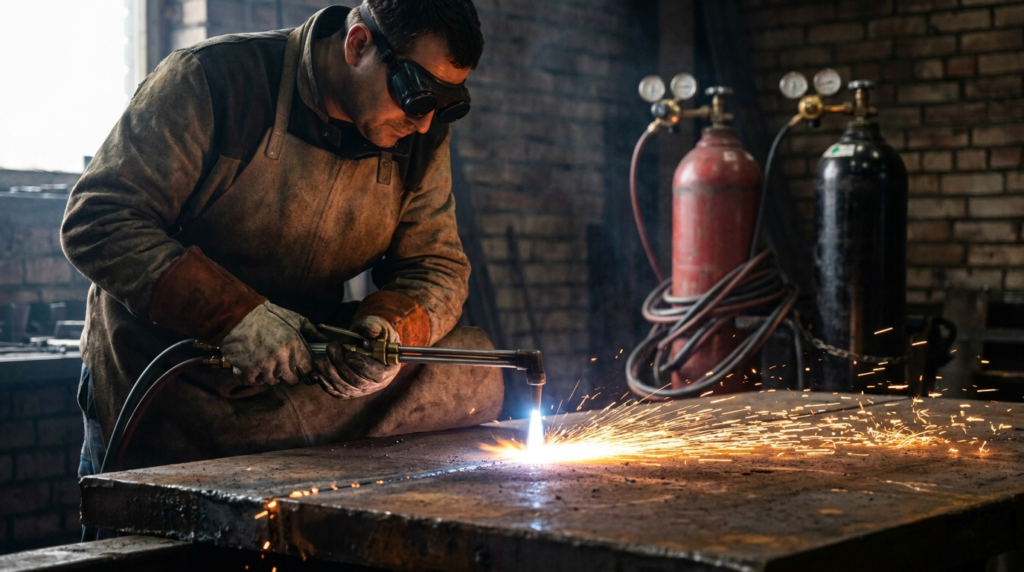
• Oxy-fuel gases: Used for welding, cutting, brazing, and heat-treating metals. Mixing oxygen with a fuel gas rapidly raises temperature to levels capable of melting metal.
Safety
Gas bottles are safe when handled correctly, but poor practice can lead to leaks, fires, or explosions. Keep the following in mind:
• Store cylinders upright in a well-ventilated area, away from heat and ignition sources.
• Check for leaks before use by applying soapy water to valves and connections and looking for bubbles.
• Never use a cylinder that is damaged or past its expiry date.
• Transport cylinders secured and upright to prevent any accidents.
• Turn off the cylinder valve when not in use.
• For boats and caravans, install a gas detection system where possible.
• Wear suitable PPE such as gloves, safety glasses, and protective clothing.
• Do not attempt repairs yourself—use a qualified technician. Adams Gas offers safe, efficient refill, disposal, and re-delivery services.
• Consult industry experts and follow local regulations. Refer to the manufacturer’s guidance for ventilation and handling requirements. We also provide safety and storage information for different gases to help you manage them correctly.
How to dispose of gas bottles
Never put gas bottles in general waste. Cylinders must be handled through appropriate channels. Return them to your supplier—such as Adams Gas—for safe, compliant disposal. We also offer a cylinder exchange and refill service, including collection, filling, and re-delivery of customer-owned bottles. If you have questions, we’re always happy to advise on our range and services.
About Adams Gas
Adams Gas is a specialist bottled gas distributor and supplier based in Kent, proudly serving customers across the UK for over two decades. We’re committed to providing high-quality gases tailored to your needs. To enquire about our range, please contact us and a member of our team will be in touch as soon as possible.
Visit the Adams Gas website for more information on Bottled Gas 101: Everything You Need to Know
ENQUIRY FORM
More News