The Role of Dewpoint Measurement in Hydrogen Cooled Generators
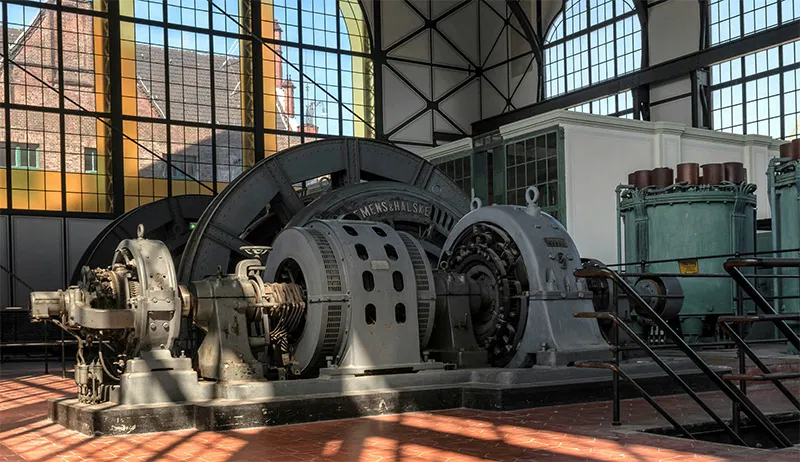
Hydrogen-cooled electricity generators are widely used in power stations because hydrogen combines excellent thermal conductivity with very low density. This allows large generators to shed heat efficiently while reducing windage losses. However, even small amounts of moisture can pose a serious risk to performance and safety. Accurate dew point measurement provides the visibility and control needed to keep the gas dry, protect equipment and maintain stable operation. This article explains why dew point measurement matters, highlights common moisture-related issues in hydrogen cooling systems, and references relevant standards.
Hydrogen-cooled generators: why hydrogen?
Hydrogen is often the preferred cooling medium for large stationary generators because its properties improve both thermal management and efficiency.
Its thermal conductivity is significantly higher than that of dry air (often quoted as up to around fourteen times higher), allowing heat to be removed more effectively and generator temperature to be controlled with greater precision and lower energy input.
When handled correctly, hydrogen is non-corrosive and non-toxic, so it does not chemically attack internal components and can be managed safely using established procedures and safeguards.
Moisture problems in hydrogen cooling systems
Moisture entering the hydrogen cooling circuit can quickly reduce performance and create safety hazards. Condensed water on windings can lower insulation resistance and increase the likelihood of electrical faults. Water also accelerates corrosion of metallic components, shortening service life and increasing maintenance requirements.
Moisture can dilute the hydrogen stream and reduce cooling efficiency. More importantly, it can increase the risk of forming explosive mixtures if oxygen is present. In high-moisture conditions, the potential for hydrogen–oxygen mixtures becomes a major safety concern, so tight control of water vapour is essential for reliability and risk reduction.
Dew point measurement solutions
Continuous dew point measurement is central to reliable, safe operation. In-line dew point sensors are commonly used to monitor dryer performance and to measure the hydrogen as it leaves the generator casing. This helps improve dryer efficiency, reduce energy use and highlight emerging issues before they become critical.
When dew point readings are integrated into the control system, alarms can be triggered or purge sequences initiated as soon as moisture rises above safe limits, turning measurement into practical, automated control.
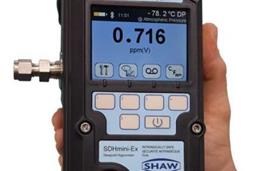
Portable dew point meters provide valuable support alongside fixed instrumentation by enabling spot checks at key points such as the hydrogen inlet and outlet, sample lines from the generator casing, and downstream of hydrogen dryers. Using continuous monitoring alongside targeted verification creates robust oversight of moisture throughout the cooling process.
Applicable standards
Best practice for hydrogen-cooled generators and gas moisture measurement is supported by established standards. Requirements for hydrogen-cooled synchronous generators are addressed in IEEE Std C50.13.
IEC 60034-3 includes provisions for rotating electrical machines, including hydrogen-cooled synchronous machines. For moisture measurement, ASTM D5454 describes a standard test method for determining water vapour content in gases.
Aligning dew point monitoring procedures and instrumentation with these standards supports safe operation, consistent performance and traceable quality assurance.
For more information on dew point measurement in hydrogen-cooled generator applications, contact the Shaw team.
Visit the Shaw Moisture Meters (UK) Ltd website for more information on The Role of Dewpoint Measurement in Hydrogen Cooled Generators
ENQUIRY FORM