The Importance of Dewpoint Measurement in Ozone Generation
The importance of dew point measurement in ozone generation
Ozone (O₃) is a powerful oxidising agent used in a wide range of industrial and municipal treatment processes, including drinking water production, wastewater sterilisation, food and pharmaceutical feedwater treatment, and swimming pool disinfection. Many facilities choose ozone over chlorine because it offers a higher oxidation potential, avoids harmful chlorinated by-products and leaves only oxygen as a residual.
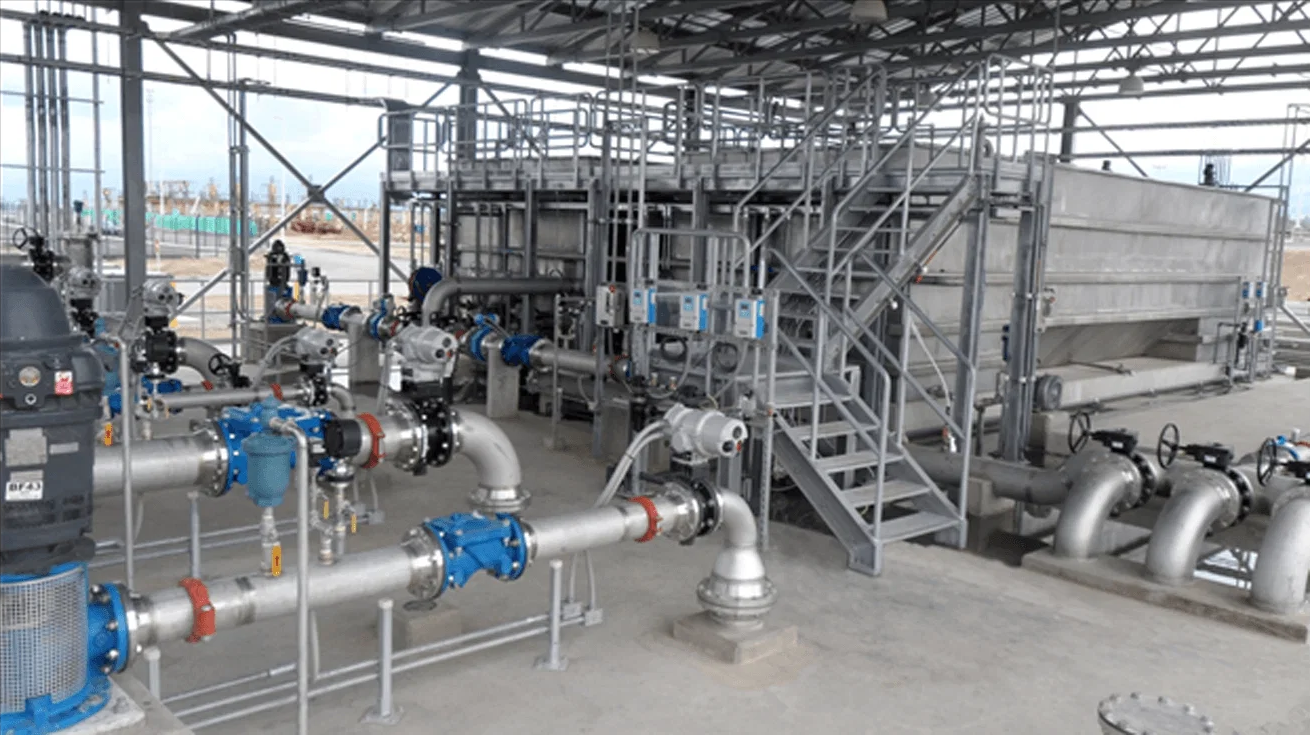
Moisture has a significant impact on ozone generation efficiency and reliability. Most industrial systems use corona discharge (CD), and even small increases in water vapour can reduce ozone yield, trigger arcing and encourage the formation of nitric acid, which accelerates corrosion. Excess moisture can shorten equipment life, lower feed-gas purity and increase operating costs. For these reasons, accurate dew point measurement is a critical control parameter in ozone generation.
How ozone is generated
Industry mainly relies on two methods: corona discharge and ultraviolet (UV). Corona discharge is the most widely used because it produces higher ozone concentrations by applying a high-voltage electrical field to oxygen. UV systems generate much lower yields and are typically used for small-scale applications.
Both methods follow the same basic process. Oxygen is drawn from ambient air or a concentrated source, then exposed to either a high-voltage electrical field or UV light. This energy splits stable O₂ molecules into individual oxygen atoms, which quickly recombine with intact O₂ to form ozone (O₃).
The ozone then enters the process stream, where it oxidises contaminants such as bacteria, viruses and odour compounds. Because ozone is inherently unstable, it eventually reverts back to oxygen (O₂) after the oxidation process.
Where ozone is used
Ozone plays a vital role in water and wastewater treatment where consistent, high-yield generation is needed for effective sterilisation and oxidation. It is commonly used in municipal drinking water production, food and pharmaceutical water disinfection, swimming pool treatment and wastewater sterilisation prior to environmental discharge.
In all of these applications, dew point directly affects the reliability and efficiency of ozone generation.
Why dew point measurement is essential in ozone production
Arcing and electrical failure
Corona discharge generators depend on a stable high-voltage electrical field. When moisture enters the feed gas — whether air or oxygen — the gas becomes more conductive. As conductivity increases, the risk of arcing between electrodes rises, along with dielectric breakdown and physical damage to the discharge chamber. These issues can lead to premature generator failure and costly downtime.
Nitric acid formation and corrosion
Moisture can enable corona discharge systems to convert nitrogen (from ambient air or lower-purity oxygen) into nitrogen oxides. These nitrogen oxides can then combine with water vapour to form nitric acid inside the generator. Nitric acid attacks stainless steel, seals, dielectric materials and electrodes, increasing maintenance requirements and shortening operating life.
Reduced ozone output
Feed-gas dryness has a direct effect on ozone output. At around −70 °C dew point, a generator can deliver full rated performance. If dew point rises to around −5 °C, output can drop by as much as 50% even if the generator appears to be operating normally. If a generator designed for dry oxygen is supplied with moist air, output can fall further — often to around 15–25% of rated capacity depending on moisture levels and gas quality.
Dew point is therefore one of the most sensitive operational variables in ozone generation.
Moisture damage to oxygen concentrators
Many ozone systems use PSA oxygen concentrators, which rely on molecular sieve beds to remove nitrogen. These sieves are hygroscopic, and when exposed to moisture they gradually lose effectiveness. Saturated molecular sieve media reduces oxygen purity and can cause a significant drop in ozone output. Moisture also shortens the concentrator’s service life.
Continuous dew point monitoring helps protect both the ozone generator and the oxygen feed gas system upstream.
How dew point meters are used in ozone generation
Dew point meters play an important role in monitoring, protecting and optimising corona discharge ozone systems. Most systems require feed-gas dryness in the region of −60 °C to −80 °C. Dew point measurement is typically installed directly downstream of the gas dryer — whether desiccant, PSA, refrigeration or hybrid — to verify, in real time, the moisture level entering the generator.
Meters can provide continuous data to PLC or SCADA systems for trending, alarms and automatic interlocks. If dew point moves outside the acceptable range, the system can issue warnings or shut down the generator to prevent arcing, nitric acid formation or significant yield loss. Portable dew point meters are also commonly used during commissioning, troubleshooting and routine quality checks to confirm feed-gas dryness meets specification.
Even small increases in dew point can severely affect ozone generation. Moisture can cut output by 50% or more, create arcing conditions, produce corrosive nitric acid, reduce PSA oxygen purity and increase maintenance costs. Dew point measurement is therefore one of the most important defences against trace moisture — a leading threat to ozone generator performance, efficiency and longevity.
For more information on dew point measurement in ozone generation applications, contact the Shaw team.
Visit the Shaw Moisture Meters (UK) Ltd website for more information on The Importance of Dewpoint Measurement in Ozone Generation
ENQUIRY FORM